Legal facts in this post reflect the Massachusetts housing code and statutes as of September 17, 2026, and are due for review by September 2027. The one market figure carries its own date and source inline.
Heating season in Massachusetts rentals began Monday, September 15, and the rulebook most owners are working from has changed twice since they last read it. Here is what the current code requires in a Watertown or Waltham rental, who pays for it, what a violation costs, and the repair shortcut that stopped being legal in 2023.
- The Massachusetts rental heating season runs September 15 through May 31 under 105 CMR 410.180, the temperature section of the state housing code rewritten in 2023.
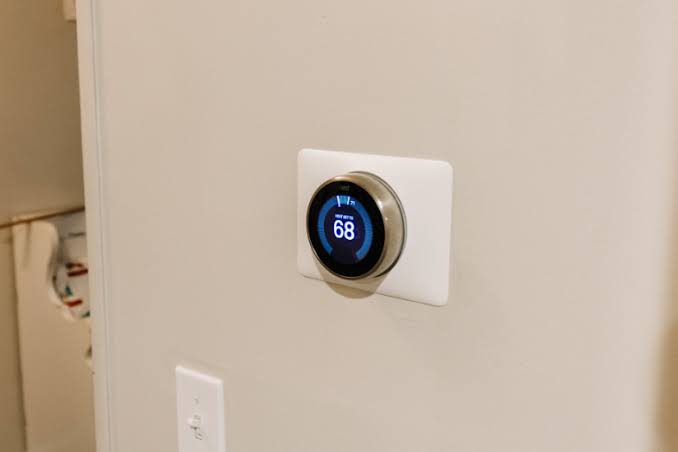
- During heating season, Massachusetts rental homes must hold at least 68 degrees from 7:00 a.m. to 11:00 p.m. and at least 64 degrees overnight, and the heating system may never push a room past 78 degrees, per 105 CMR 410.180.
- A Massachusetts landlord who willfully fails to furnish heat owes the tenant actual and consequential damages or three months' rent, whichever is greater, plus attorney's fees, under General Laws Chapter 186, Section 14.
- Fireplaces, wood stoves, pellet stoves, and portable space heaters stopped counting as code-compliant heat for Massachusetts rentals when the revised code took effect in 2023, per MassLandlords.
- Cambridge moved its 2026 heating season start to September 30 in a May 18, 2026 city notice, using local authority in the state code, while communities that took no such vote started September 15.
When did heat become mandatory in Watertown and Waltham rentals this fall?
Heat became mandatory on Monday, September 15, 2026, because neither Watertown nor Waltham has moved the state's default heating season, which now runs through May 31. The requirement sits in 105 CMR 410.180, the temperature section of the state housing code, and it applies to every rented home from a Coolidge Square two family to a new Arsenal Yards one bedroom.
The numbers are exact. Habitable rooms and bathrooms must hold at least 68 degrees between 7:00 a.m. and 11:00 p.m. and at least 64 degrees overnight, measured five feet above the floor and away from the exterior wall, and the heating system may never push a room past 78. Rentals in Watertown and Waltham run heavily to pre-war buildings, so those measured minimums do real work in February.
The code does let a local board of health shift the season, ending it as early as May 15 or starting it as late as September 30. Cambridge used that authority this year, so heat in Cambridge is not legally required until September 30. No such vote has been announced in the towns we work in, so the state default applied Monday.
What changed about the Massachusetts heating season in the 2023 code rewrite?
Two things: the season now ends May 31 instead of June 15, and supplemental heaters stopped counting as a fix. The state rewrote the housing code in 2023, and both changes landed quietly enough that guidance with the old June 15 date still circulates online.
The second change is the one that bites. Under the revised code, a fireplace, a wood stove, a pellet stove, or a portable electric space heater does not satisfy the heating requirement, per MassLandlords. The classic move in this housing stock, quieting the cold third floor bedroom with a plug-in heater, leaves the unit out of code even on a day the thermometer reads 70.
That matters here because of what Watertown and Waltham landlords actually own: 1890s to 1920s two families and three deckers, steam or hot water systems fed by one basement boiler, and top floor rooms that have run cold for a century. The code does not grade on the age of the building. The system itself has to deliver the minimums in every habitable room.
Who pays for heat in a Massachusetts rental, the landlord or the tenant?
Whoever the written lease says, and when the lease says nothing, the landlord pays. The code allows heat to sit with the tenant only through a written rental agreement, and MassLandlords notes a verbal arrangement does not count. Silence is not a split. Silence is the owner's bill.
This is worth checking this week because off cycle leases are being signed right now. A unit that missed the September 1 turnover, the situation we covered in our September 1 market post, is leasing into October and November start dates, and every one of those leases crosses the full heating season. Get the utilities clause right before signing, not after the first cold week.
Metering decides what is realistic. A unit with its own furnace and its own meter can carry its own heat, in writing. A two family running on one basement boiler has no clean way to split the bill, so heat usually stays with the owner and the rent is set to carry it. Price it that way on purpose rather than discovering it in January.
What does a no-heat complaint actually cost a landlord?
The exposure starts at three months' rent when the failure is willful, and the process starts with one phone call from the tenant to the local board of health. An inspector confirms the temperature, an order follows, and the clock is short, because no heat in season is treated as a serious code condition.
The remedies stack. Massachusetts Legal Help outlines rent withholding, repair and deduct, and lease termination for serious conditions, and no heat qualifies. On top of that sits Chapter 186, Section 14: a landlord who willfully or intentionally fails to furnish heat owes actual and consequential damages or three months' rent, whichever is greater, plus the tenant's attorney's fees, with a criminal fine of 25 to 300 dollars alongside.
Put a number on it. At Watertown's $2,603 median asking rent, the Apartment List September 2026 figure cited in our September 1 post, three months' rent is $7,809 before attorney's fees. In the buildings we manage, the first no-heat calls never come in September. They come with the first stretch of nights in the low 40s, usually mid October, when every heating tech from Watertown to Waltham is already booked.
What this means for you if you rent out property in these towns
If you own a two family or three decker with a boiler that was last serviced before the pandemic, book the service call this month. Techs in these towns go from same week to three weeks out at the first cold snap, and a failure in January is an emergency repair at emergency pricing, with the code clock running while the unit sits cold.
If you are signing an off cycle lease in the next few weeks, read the utilities clause before anyone signs. A lease that is silent on heat puts the whole winter on you at exactly the moment you already took a vacancy hit. And if the plan for the cold bedroom has been a space heater since 2023, that plan is out of code. Fix the distribution problem or price the unit honestly around it.
Landlords whose tenants control their own thermostats have one more number to watch: the 78 degree ceiling. The cap applies to what the heating system produces, so a system that can only overshoot is a code problem in the other direction. A fall service visit that balances the system covers both ends of the rule at once.
Get ahead of the first cold night
PH Realty Group manages rentals across Watertown, Waltham, Newton, Belmont, and Arlington, and heating season is when management earns its fee: we take the no-heat call, dispatch the vendor, and keep the board of health out of your winter. If you want it handled, ask us for a heating season check, a walk through your lease's utilities clause and your system's service history before the cold arrives.
Start with our property management page for Greater Boston rental owners, or if the real problem is a unit still sitting empty, our rental listing service can price it to the fall market and write the lease dates right. Ethan Piani-Hohmann, PH Realty Group, (781) 879-0863, [email protected].
Frequently asked questions
When does heat have to be turned on in a Massachusetts rental?
Massachusetts requires heat in rental homes from September 15 through May 31 under the current state housing code, unless the local board of health has formally shifted those dates, which Cambridge did for 2026 and Watertown and Waltham have not.
What temperature does a Massachusetts landlord have to maintain in winter?
During heating season a Massachusetts rental must hold at least 68 degrees from 7:00 a.m. to 11:00 p.m. and at least 64 degrees overnight, and the heating system may never push a room past 78 degrees.
Can a Massachusetts tenant be required to pay for heat?
A tenant pays for heat only when a written rental agreement assigns that cost, so a lease that says nothing about heat leaves the bill with the landlord for the whole season.
Does a space heater count as legal heat in a Massachusetts rental?
No. Since the 2023 rewrite of the state housing code, portable space heaters, fireplaces, wood stoves, and pellet stoves do not satisfy a landlord's heating requirement.
What is the penalty for a landlord not providing heat in Massachusetts?
A willful failure to furnish heat makes the landlord liable for actual damages or three months' rent, whichever is greater, plus attorney's fees under Chapter 186, Section 14, and the local board of health can order repairs and enforce the housing code on top of that.
Did Massachusetts shorten the heating season?
Yes. The 2023 housing code rewrite moved the end of heating season from June 15 to May 31, and it lets a local board of health end the season as early as May 15 or start it as late as September 30.