Figures in this post are current as of August 20, 2026. Rent figures should be rechecked after November 2026, and the zoning and program details after February 2027.
Since February 2, 2025, Massachusetts homeowners have had the right to add an accessory dwelling unit, an ADU, on a single-family lot without asking their city for a special permit. This post covers what that right actually includes, how Newton ADU rules go beyond the state minimum, where Watertown owners stand, and what the unit is worth as a rental once it exists.
- Massachusetts communities permitted or approved 1,224 ADUs in the first year of the Affordable Homes Act's ADU provision, across 217 cities and towns (EOHLC, February 5, 2026).
- State law has allowed an ADU of up to 900 square feet, or half the floor area of the main house if that is smaller, by right in single-family districts since February 2, 2025 (mass.gov).
- Newton's ADU ordinance, effective February 12, 2025, goes further than the state floor and allows ADUs up to 1,000 square feet by right (City of Newton).
- Newton had about 122 ADUs as of January 2025, which is fewer than 1 percent of its single-family and two-family homes (Newton Beacon, January 18, 2025).
- The median one bedroom in Watertown rented for $2,500 a month in August 2026 (Zumper).
What does the state ADU law guarantee on a single-family lot?
The law guarantees that on a lot with a single-family home in a single-family district, you can build one ADU of up to 900 square feet, or half the gross floor area of the main house if that is smaller, by right. By right means a building permit, not a discretionary hearing. Per EOHLC's ADU guidance on mass.gov, a city cannot require a special permit for the use or rental of a protected ADU.
Two more protections matter for anyone planning to rent the unit. A city cannot require the owner to live in either unit, and it cannot demand more than one parking space for the ADU. Within half a mile of a commuter rail or subway station, it cannot require ADU parking at all, which covers a meaningful share of Newton given its commuter rail stops and Green Line D branch stations.
Cities keep real levers. Setbacks, height, site plan review, building code, and septic compliance still apply, and a community may restrict or ban short-term rental of ADUs. The right you gained is the unit itself and the ability to lease it long term. This is the same direction the state has pushed with multifamily districts, covered on our MBTA 3A zoning hub.
How do Newton's ADU rules go beyond the state minimum?
Newton allows a bigger unit than the state requires: up to 1,000 square feet by right, whether the ADU is inside the house or detached in the yard, capped at half the main home's floor area. Per the City of Newton's ADU page, the ordinance took effect February 12, 2025, and it also created paths to larger units.
An ADU can reach 1,200 square feet when conditions attach, such as a main house that has held its certificate of occupancy for at least four years, and the largest detached tier can carry an owner occupancy condition.
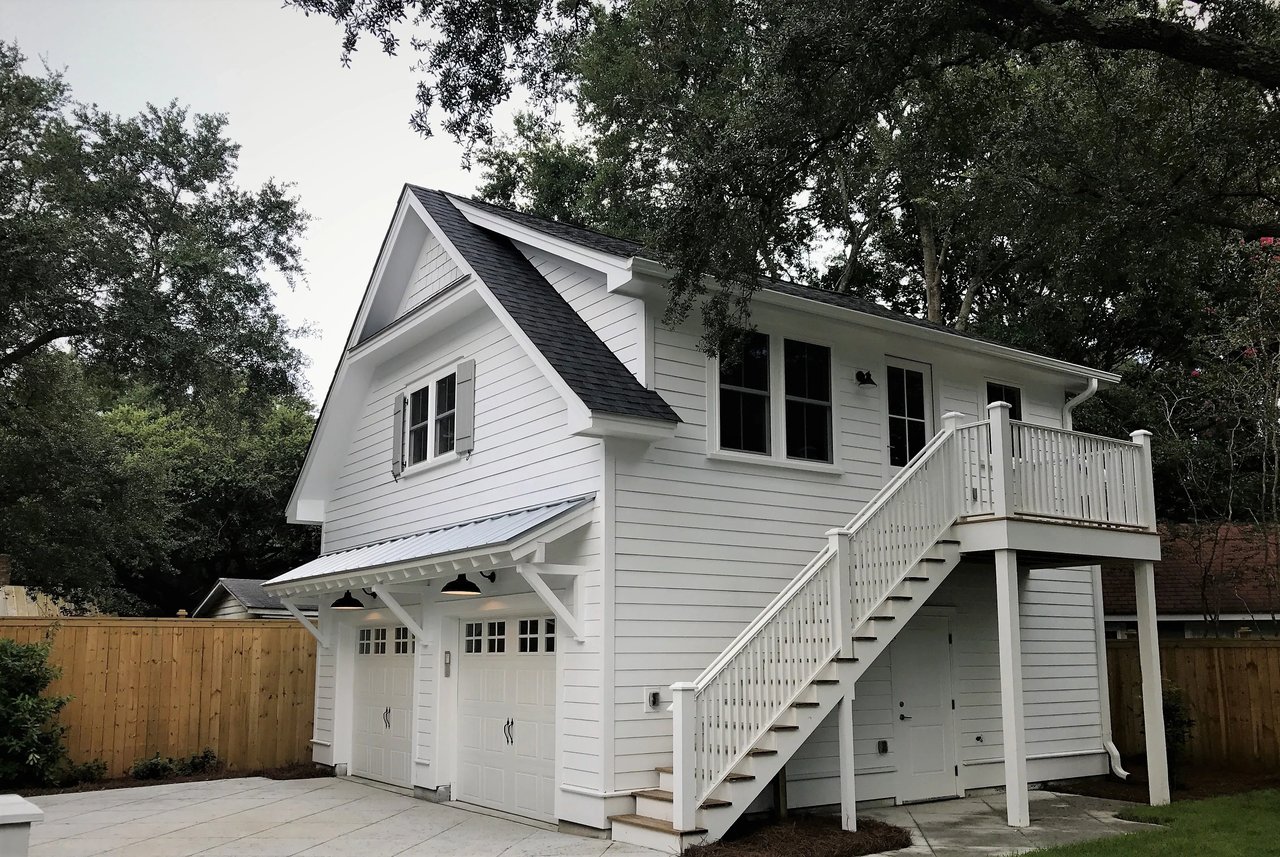
A detached ADU of up to 1,500 square feet remains possible with a special permit from the City Council. Detached units can rise 2.5 stories or 36 feet, and a small one of 1.5 stories or less needs only 5 foot side and rear setbacks.
Newton also decided the rental question clearly: an ADU there must be rented for more than 30 days at a time, so Airbnb-style use is out. And the unit stays tied to the property. The ADU and the main house must remain under common ownership, so you cannot condo it off and sell it separately.
The runway is long. The Newton Beacon reported in January 2025 that Newton had about 122 ADUs, roughly three quarters of them internal units, on a base of tens of thousands of eligible homes. Under 1 percent of the city's single-family and two-family properties have one.
Where do Watertown owners stand?
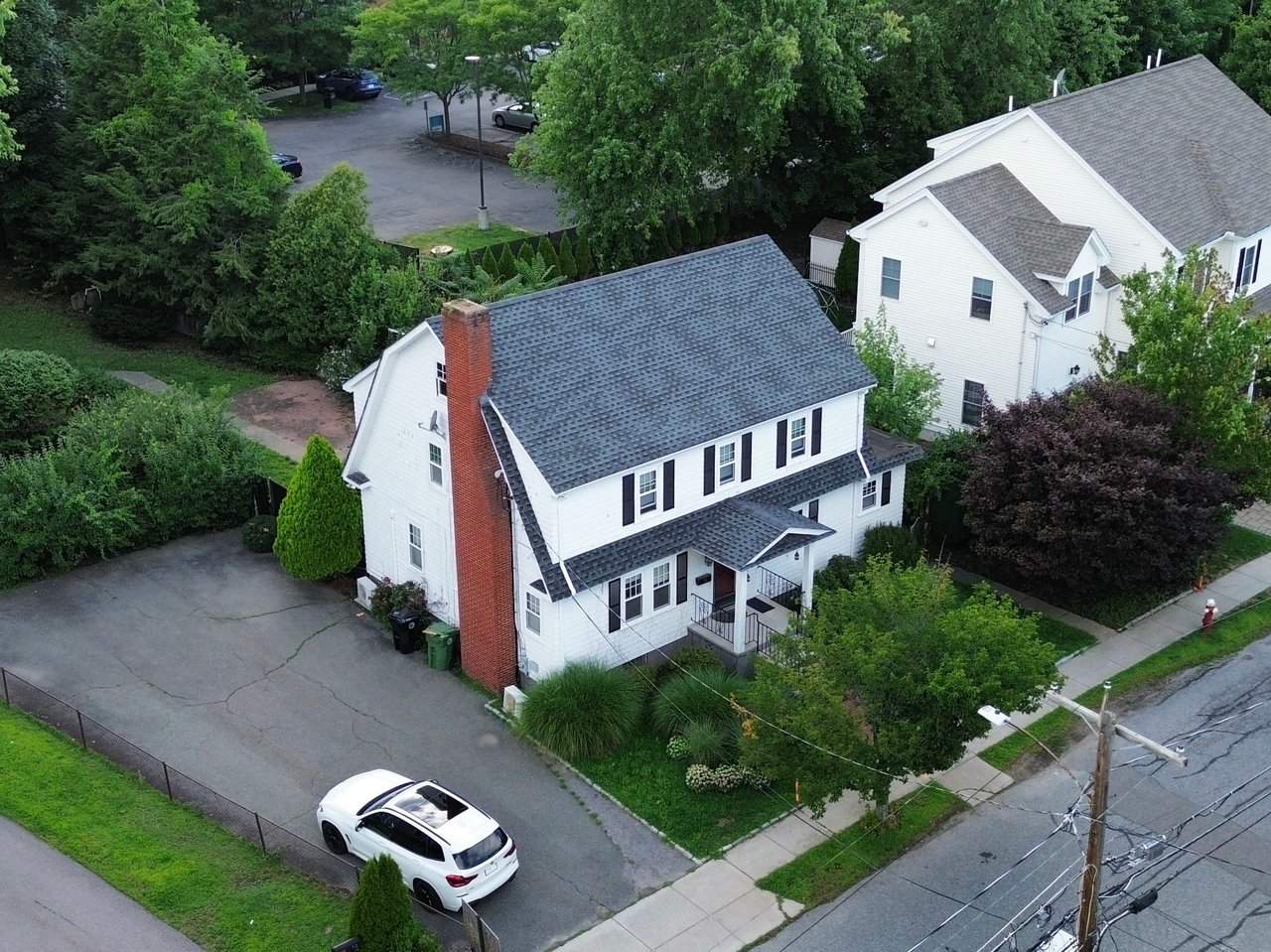
Watertown owners work from the state baseline: on a single-family lot, the 900 square foot by-right ADU applies, and the city's role is limited to the reasonable controls the state left in place, like dimensional rules and building code. Watertown's housing stock leans heavily two-family and multifamily, where the by-right protection does not reach, so the clearest ADU opportunities sit on the single-family streets, largely on the west and north sides of the city.
The same baseline runs across the towns we work: Belmont, Arlington, Waltham, and Lexington single-family owners all hold the same 900 square foot floor, with each town layering its own dimensional and site rules on top. In several of these towns the ADU right now stacks with new multifamily overlay districts, which is reshaping what small lots near transit are worth. We track that town by town, including on our Arlington MBTA 3A zoning page.
Before you draw plans anywhere, pull the zoning district for your specific parcel and confirm which rules attach. We do this for owners routinely, and the answer changes block by block.
What is the ADU worth as a rental?
In Watertown, a code-legal one bedroom is a roughly $2,500 a month asset: Zumper put the city's median one bedroom at $2,500 in August 2026, with citywide rents up about 2 percent year over year. A well-built ADU in Newton or Watertown sits at or above the area's typical one bedroom because it is new construction with in-unit laundry and its own entrance, in neighborhoods where small rentals are scarce.
That is $30,000 a year of gross income from land you already own, and it compounds with the September 1 rental calendar this region runs on. An ADU finished in spring leases into the strongest demand window of the year with no land cost underneath it.
Financing has also moved. The state's February 2026 announcement paired the first-year permit numbers with a $10 million ADU incentive program and authorized MassHousing to lend up to $20 million in low-cost subordinate mortgages for ADU construction. The state is not just permitting these units. It is helping pay for them.
What does an ADU right do to what your property is worth?
It adds an income option to every eligible lot, and options show up in value even when nobody exercises them. A Newton or Watertown single-family with room for a backyard unit is now a house plus a permission slip, and buyers who think in rents, including the investors we represent, underwrite that second unit when they bid.
For a long-held owner, the ADU is also the middle path between keeping a house that no longer fits and selling it. Build the unit, move into it, and rent the main house, or house family in one and hold the whole property. Owners weighing any of these moves in Newton or Watertown should price both branches before committing, and that is a conversation we have with owners every week at PH Realty Group.
Frequently asked questions
Can I build an ADU by right in Newton?
Yes, Newton allows an ADU of up to 1,000 square feet by right on a single-family property, with only a building permit, under the ordinance that took effect February 12, 2025.
How big can an ADU be in Massachusetts?
State law protects an ADU of up to 900 square feet, or half the main home's gross floor area if that is smaller, and towns like Newton allow larger units under local rules.
Can my town require me to live on the property to rent an ADU?
No, Massachusetts law bars cities and towns from requiring owner occupancy or a family relationship for a protected by-right ADU, though conditions can attach to oversized units allowed under local ordinances.
Can I use an ADU in Newton or Watertown as an Airbnb?
In Newton, no, because the city requires ADU rentals to run longer than 30 days, and state law lets every community restrict or ban short-term rental of ADUs.
Do I need extra parking for an ADU near the T?
Within half a mile of a commuter rail or subway station, a Massachusetts city cannot require any parking for an ADU, and elsewhere it can require at most one space.
Can I sell an ADU separately from the main house?
In Newton, no, because the ADU and the principal residence must stay under common ownership, so the unit adds rental income and resale value but is not a separate salable condo.
Thinking about adding a unit?
PH Realty Group leases, manages, and sells across Newton, Watertown, and the surrounding towns, and we have watched ADUs move from a zoning argument to a building permit. If you want to know what an ADU would rent for on your street, or what the option adds to your sale price, reach out and we will run your parcel before you spend a dollar on plans.