Legislative status in this post is current as of October 1, 2026. A conference committee could report at any time, so treat everything here as due for a status review by early January 2027.
Massachusetts is closer than it has ever been to a tenant right to purchase law. Here is what the Tenant Opportunity to Purchase Act would actually require, which buildings the House version exempts, and what the owner of a tenant occupied multifamily in Watertown, Newton or Belmont should do while the final version is still being written.
- Both branches of the Massachusetts Legislature passed Tenant Opportunity to Purchase language in their summer 2026 economic development bond bills, and a six member conference committee is now negotiating one version to send to Governor Healey, per a September 18, 2026 CommonWealth Beacon report.
- Under the House version, a landlord must notify tenants within seven days of deciding to sell, tenants get 15 days to organize and make an offer, 15 to 30 days to match an outside buyer, and 160 days to close, against a typical 30 day closing, per a MassLandlords update of September 16, 2026.
- Buildings with six or fewer rental units in a participating municipality are exempt under the House version, which places most Watertown and Newton two families and three families outside the law as written, per the same MassLandlords update.
- The Senate version is a five year pilot limited to five communities with regulations written by the state housing office, and Senate sponsor Lydia Edwards expects resolution sometime before January 5, per a September 23, 2026 Boston.com report.
What is the Tenant Opportunity to Purchase Act?
The Tenant Opportunity to Purchase Act, usually shortened to TOPA, would let the tenants of a covered rental building match an outside buyer's offer when their landlord decides to sell. Tenants could also assign that right to a nonprofit or a community land trust. The stated goal is keeping older, unsubsidized affordable buildings from being bought and repositioned, and the model has run in Washington, D.C. for decades.
Two things it is not. It is not a price control, because nothing in either version requires an owner to sell below market value, and tenants only hold the deal by matching the outside offer, per the CommonWealth Beacon report.
It is also not automatic. The House version applies only in a city or town that votes to adopt it, so a two family on a side street in Watertown is untouched unless Watertown itself opts in, and there is nothing to opt into until the Governor signs a final bill.
Would a Watertown or Newton two family be covered?
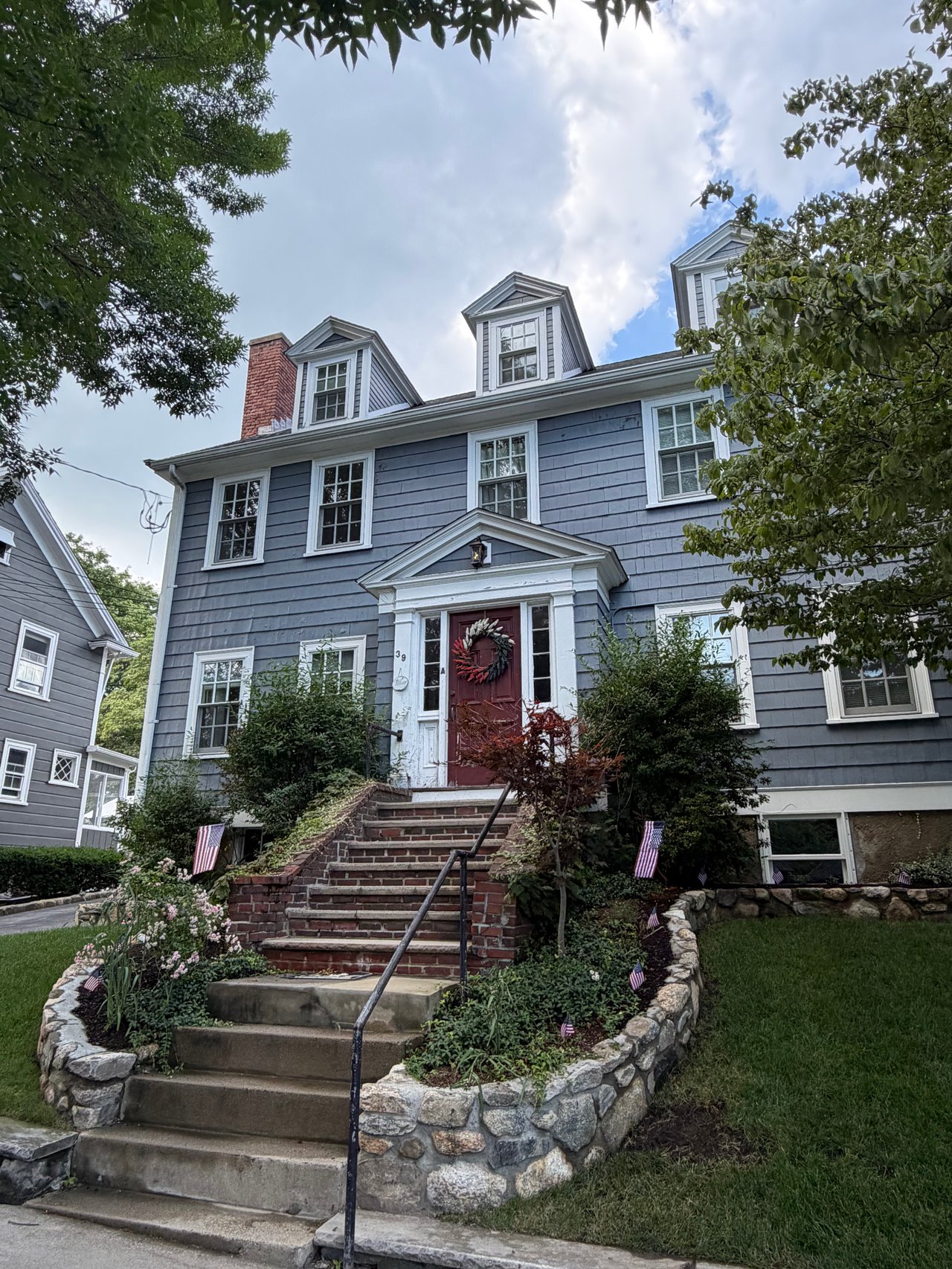
Probably not under the House version, which exempts buildings with six or fewer rental units. That line, as written, puts nearly every two family, three family and small owner occupied multifamily in Newton, Watertown, Waltham, Belmont and Arlington outside the law entirely. The buildings actually in scope are the larger ones, seven units and up, which in these towns mostly means older brick walkups and converted apartment buildings.
The Senate version gives less certainty. It would run as a five year pilot in five communities, with the exemption lines left to the state housing office to write after passage. Until the conference committee picks one approach, no owner can say for certain where the floor will sit. The House text is the one with a number in it, and six or fewer is the number.
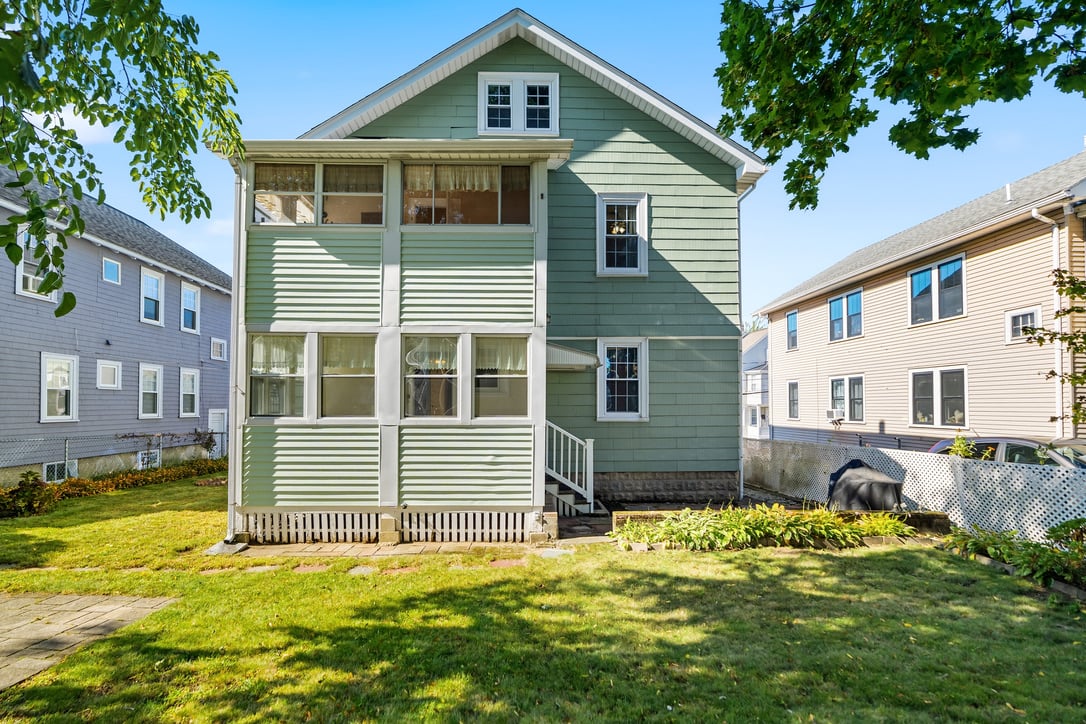
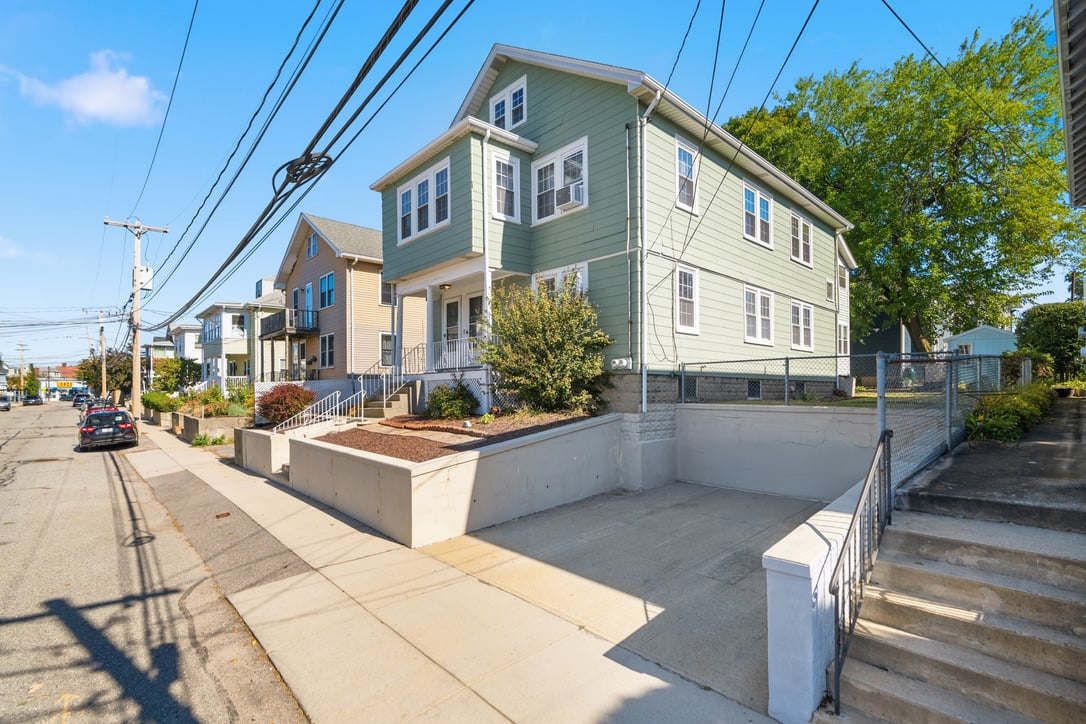
We are bringing a tenant occupied Watertown two family to market this fall, and under the House text a sale like that one would be exempt. Under the Senate text nobody can say yet, because the rules would be written after the vote. That uncertainty, more than the law itself, is what owners weighing a 2027 sale should price in.
What would selling a covered building actually look like?
Slower, with the calendar set by notice windows instead of by your buyer. Under the House timeline, deciding to sell starts a seven day notice clock, tenants then have 15 days to organize and make an offer, a third party offer triggers a match window of 15 to 30 days, and a successful tenant match gets 160 days to reach a closing that normally takes 30.
Add those windows end to end and a covered sale can run roughly five to six months longer than the same sale today, with taxes, insurance and utilities running the whole way. Buyers will do that arithmetic too. An investor pricing a seven unit building in an adopting city will underwrite the extra carry and the added fall through risk before writing the offer, and that lands on the seller as a thinner price.
None of this applies today. The bill is in conference, and even a signed House style version would wait on a local vote. But sale calendars get planned a year ahead, which is why the timeline matters now rather than after a final vote.
What this means if you own rental property in Watertown, Newton or Belmont
If you own a two family or three family, the House text exempts you, and the real exposure is narrower than the headlines read. The thing to watch is the Senate approach, where the exemption line would be written by regulators after passage. Knowing your building's current value puts a number under whatever you decide, which beats reacting to whichever version survives conference.
If you hold seven units or more, especially in a city with an active tenant movement, the question is sequencing. A sale penciled for 2027 or 2028 closes on today's rules if it happens before your city adopts anything, and on the new calendar if it happens after. Owners who have held for decades with little or no debt have the most room to choose that window.
There is also a zoning layer under all of this. The same small multifamily stock this bill is aimed at sits inside districts the MBTA Communities rezonings opened up. Our MBTA 3A zoning hub maps those districts, the Belmont 3A overlay page covers Belmont Center and Waverley Square, and our breakdown of the 3A effect on property values explains why lot value and building value have drifted apart here.
Frequently asked questions
What is the Tenant Opportunity to Purchase Act in Massachusetts?
The Tenant Opportunity to Purchase Act is a Massachusetts bill that would let tenants of larger rental buildings match an outside buyer's offer, or assign that right to a nonprofit, when their landlord sells.
Did TOPA pass in Massachusetts?
Not yet. The House and Senate each passed a different TOPA version inside their summer 2026 economic development bills, and a conference committee is negotiating the final language as of October 2026.
Are two family and three family homes exempt from Massachusetts TOPA?
Under the House version, buildings with six or fewer rental units are exempt, which covers two families and three families. The Senate version leaves exemptions to state regulators, so the final line is not settled.
Does TOPA force a landlord to sell below market value?
No. Neither version requires an owner to accept less than market value, and tenants keep the deal only by matching the outside buyer's offer.
When would TOPA take effect in Massachusetts?
The conference committee is expected to resolve the bill before the legislative session ends in early January 2027, and a House style version would then apply only in cities and towns that vote to adopt it.
Which Massachusetts cities and towns have adopted TOPA?
None. There is no law to adopt yet, and no town in the PHRG markets, including Watertown, Newton, Waltham, Belmont and Arlington, has taken any formal step.
The next step if a sale is anywhere in your plans
The thing to ask for is a valuation and sale timing review of your multifamily: what the building is worth today, who the realistic buyer is, and what the calendar looks like under current rules. PH Realty Group runs that review across Watertown, Newton, Waltham, Belmont and Arlington as part of our multifamily investment sales work in Greater Boston, and a current valuation of your property is the first number in it.
Ethan Piani-Hohmann, PH Realty Group, (781) 879-0863, [email protected].