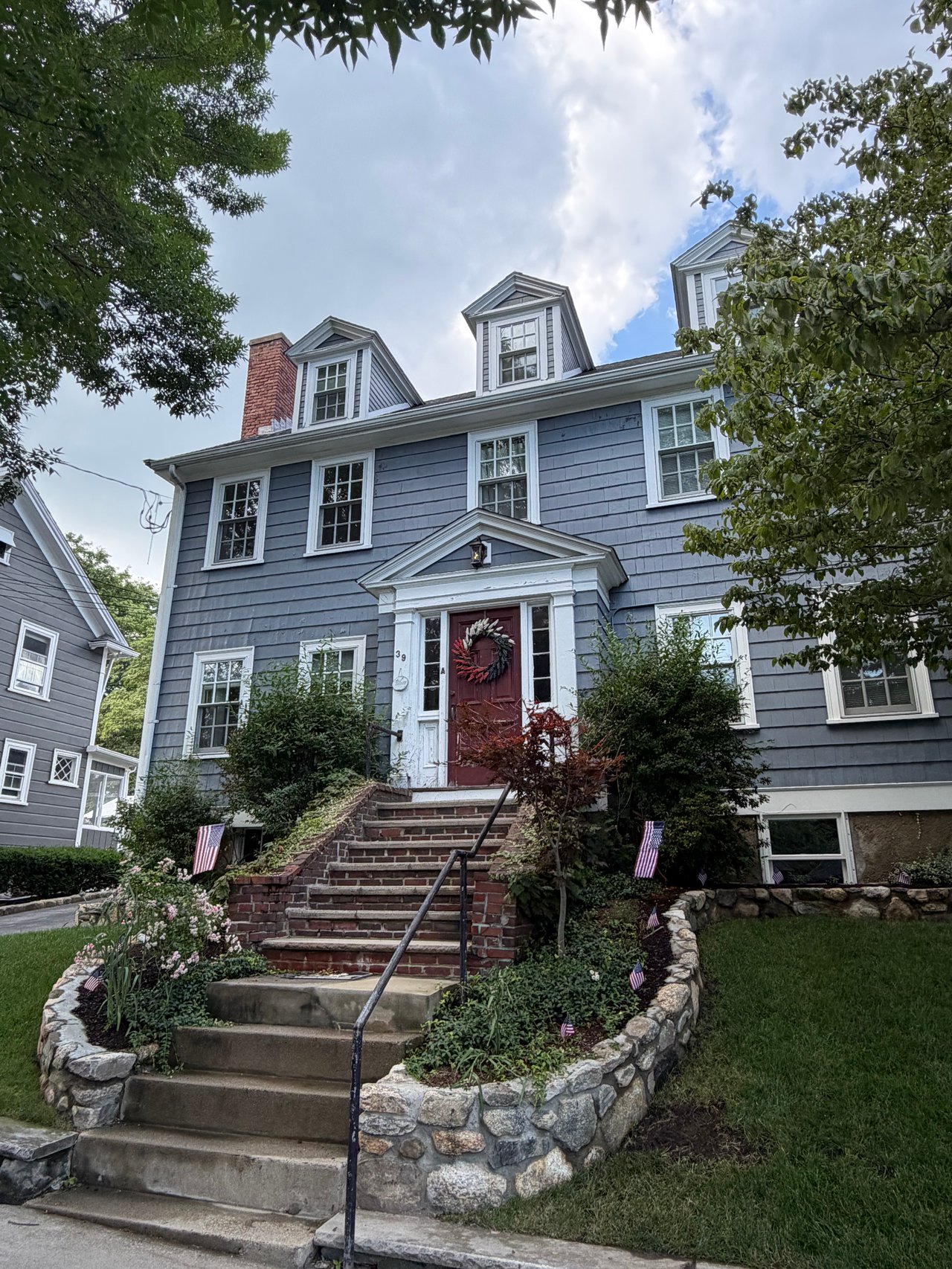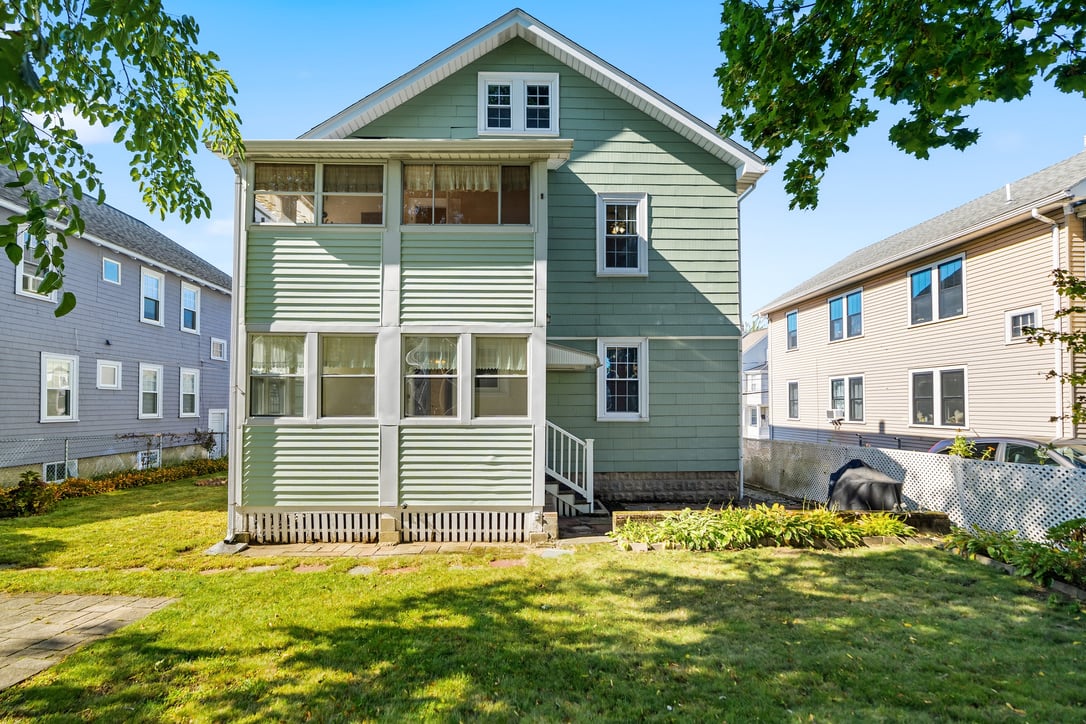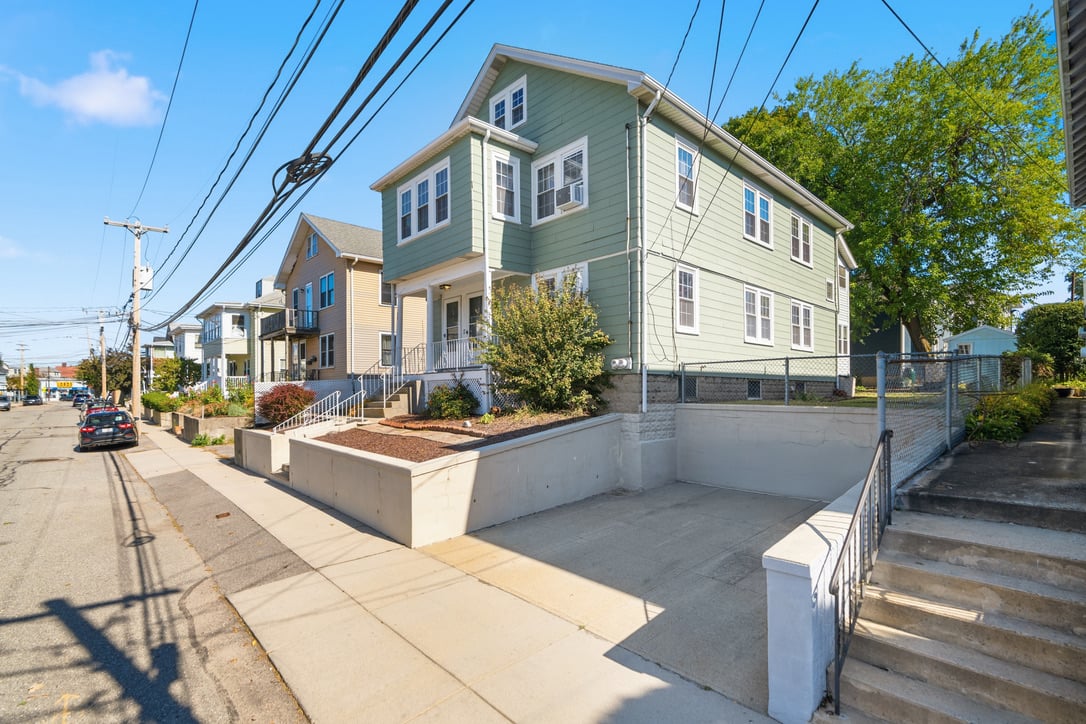
Watertown and Newton sit across the Charles River from each other, share a commute, and could not be further apart on price. If you are deciding between them, the real question is not which town is nicer, it is which one is cheaper to buy, cheaper to own, and worth the difference. Here is the honest breakdown from someone who works both markets every week.
Which town is cheaper to buy, Watertown or Newton?
Watertown, and it is not close. A single family home in Newton typically costs close to double what the same buyer would pay in Watertown, for a nearly identical commute and the same Charles River access. You cross one bridge and the price changes far more than the location does.
Newton prices reflect three things buyers pay a premium for: its schools, its village center prestige, and the best transit in the corridor. Watertown is the value play, built on a dense supply of two and three family homes and an inner ring location without the Newton name attached. The gap between the two is one of the most consistent value relationships in Greater Boston, and the Arsenal Yards transformation has been closing Watertown's reputational distance year by year. For the full picture on each market, see our Watertown neighborhood guide and our Newton neighborhood guide.
Which town is cheaper to actually own after taxes?
This is where most buyers get it backwards. Newton has the lower tax rate, but Watertown can be the cheaper place to own, because Watertown gives owner occupants a residential exemption and Newton does not.
For fiscal year 2026, Newton's residential rate sits in the mid nines per thousand of assessed value, and Watertown's is higher, in the low twelves. On the rate alone, Newton wins clean. But Watertown offers a residential exemption that removes a large share of assessed value from the bill before the rate is ever applied, worth thousands of dollars a year to a qualified owner occupant, while Newton offers no general exemption at all. So once you live in the home, Watertown's effective tax bill lands far closer to Newton's than the headline rates suggest, and on a similar assessed value the gap can narrow hard or even flip.
The catch is who qualifies. The exemption is for owner occupants only. If you buy as a pure investor and do not live in the property, you pay the full Watertown rate with no exemption, and the comparison swings back toward Newton. Know which kind of buyer you are before you decide which town is cheaper, because the answer is genuinely different for an owner occupant than it is for a landlord.
What does the Newton premium actually buy you?
Schools and transit, full stop. That is what the extra money pays for, and for the right buyer it is worth every dollar.
Newton's public schools rank among the strongest districts in Massachusetts, and school assignment drives Newton pricing lot by lot, which is why two similar homes in different feeder zones can carry very different prices. Newton also has the best transit in the corridor, with the Green Line D branch plus three commuter rail stops inside the city. Watertown schools are middle of the pack and improving, with a new high school facility, and Watertown has no rail station of its own, leaning on bus routes to Harvard Square and Cambridge instead. If the school district is the reason you are moving, Newton is the answer and the premium is rational. If you value the location and the commute more than the absolute school tier, Watertown hands you most of the location for a lot less.
Which town is better for an investor or house hacker?
Watertown, clearly, on entry price and cash flow, with Newton as the long term appreciation play.
Watertown is the most multifamily heavy market in the corridor, with two and three family homes making up a large share of the housing stock, which is exactly what a house hacker or a small buy and hold investor wants, and rental demand from the Arsenal Yards life sciences base and Cambridge spillover keeps those units occupied. Newton multifamily is scarcer and far more expensive, so it leans toward appreciation and equity growth rather than day one cash flow. Both towns now allow more multifamily by right under the state's MBTA Communities Act, Watertown around Watertown Square and Newton through its Village Center Overlay, which is reshaping what you can build on a lot in each. For the parcel level rules, start with our MBTA 3A zoning guide, then read the breakdowns for Watertown and Newton. One tax note for investors: the Watertown exemption only helps owner occupants, so a house hacker living in one unit of a two family qualifies, while a pure investor does not.
So which should you choose?
Pick Newton if schools decide it, pick Watertown if value and cash flow decide it.
If you have kids heading into the school years and the district is non negotiable, Newton earns its premium and you should buy the best lot in the right feeder you can afford. If you want inner ring location, a real shot at cash flow, and the lowest effective cost of ownership as an owner occupant, Watertown is the smarter dollar. Most buyers we work with are deciding between exactly these two trade offs, and the right answer is simply the one that matches what you actually optimize for.
Frequently Asked Questions
Is Watertown cheaper than Newton?
Yes, substantially. Newton single family prices typically run close to double Watertown's for a comparable commute and the same Charles River access, which makes Watertown the clearest value play between the two.
Does Newton or Watertown have lower property taxes?
Newton has the lower tax rate, but Watertown can be cheaper to own for an owner occupant, because Watertown offers a residential exemption that lowers the taxable value before the rate applies and Newton offers no general exemption.
Why can Watertown be cheaper to own if its tax rate is higher?
Because Watertown's residential exemption removes a large share of assessed value before the rate is applied, which can save a qualified owner occupant thousands of dollars a year, while Newton applies its lower rate to the full assessed value with no exemption.
Is Watertown or Newton better for buying a multifamily?
Watertown, for entry price and cash flow, because it has far more two and three family stock and a lower buy in. Newton multifamily is scarcer and more expensive and leans toward appreciation rather than day one cash flow.
Which has better schools, Watertown or Newton?
Newton, clearly, with one of the strongest public school districts in Massachusetts. Watertown schools are middle of the pack and improving, which is part of why Watertown costs less.
Do investors get the Watertown residential exemption?
No. The exemption is for owner occupants only, so an investor who does not live in the property pays the full rate, though a house hacker living in one unit of a multifamily can qualify.
Deciding between Watertown and Newton usually comes down to one or two factors that matter most to you, and the right call looks different for a family chasing a school district than for an investor chasing cash flow. If you want a straight read on which town fits your money and your goals, reach out to PH Realty Group and we will walk you through it with the real numbers on a specific property.