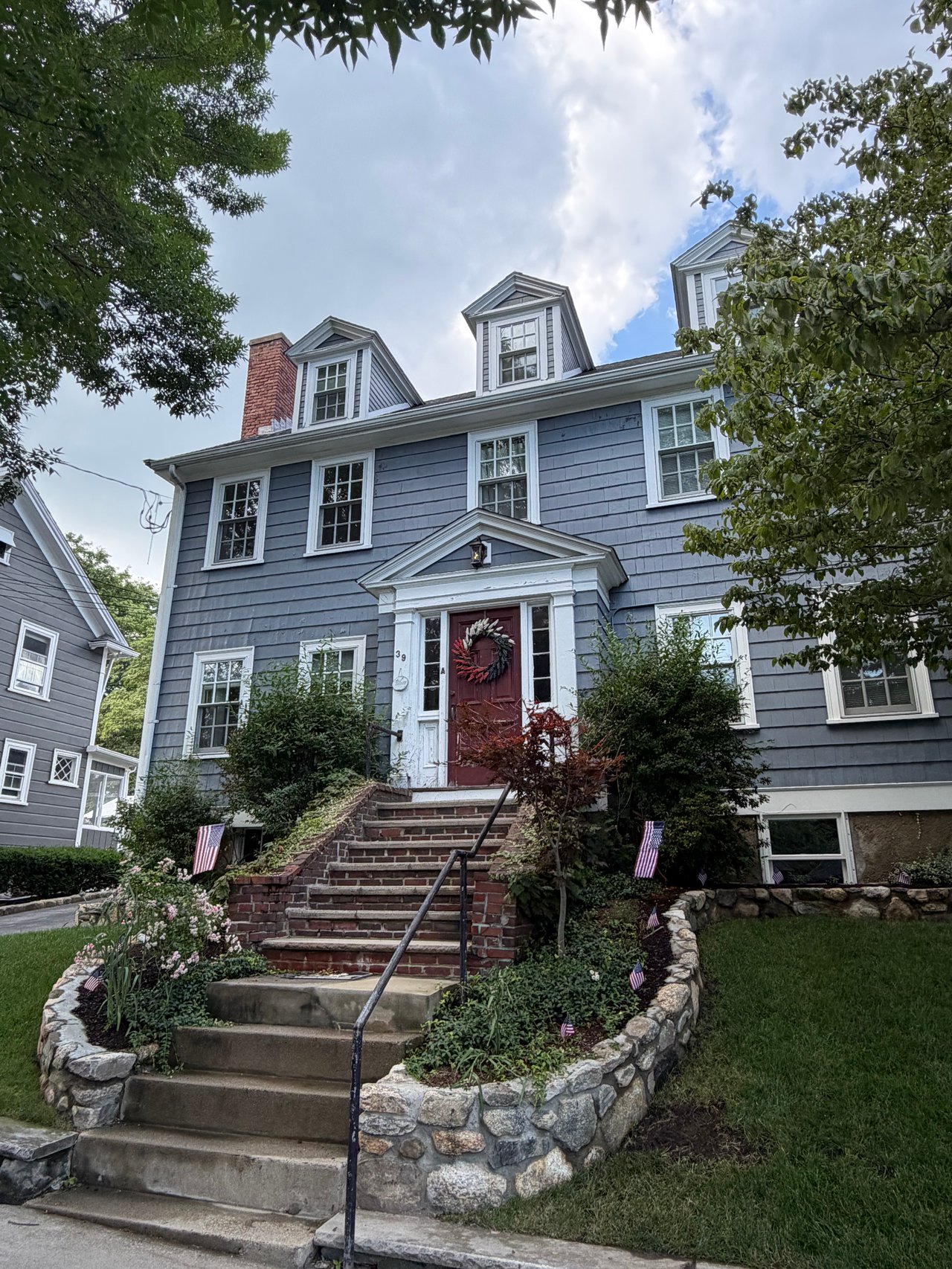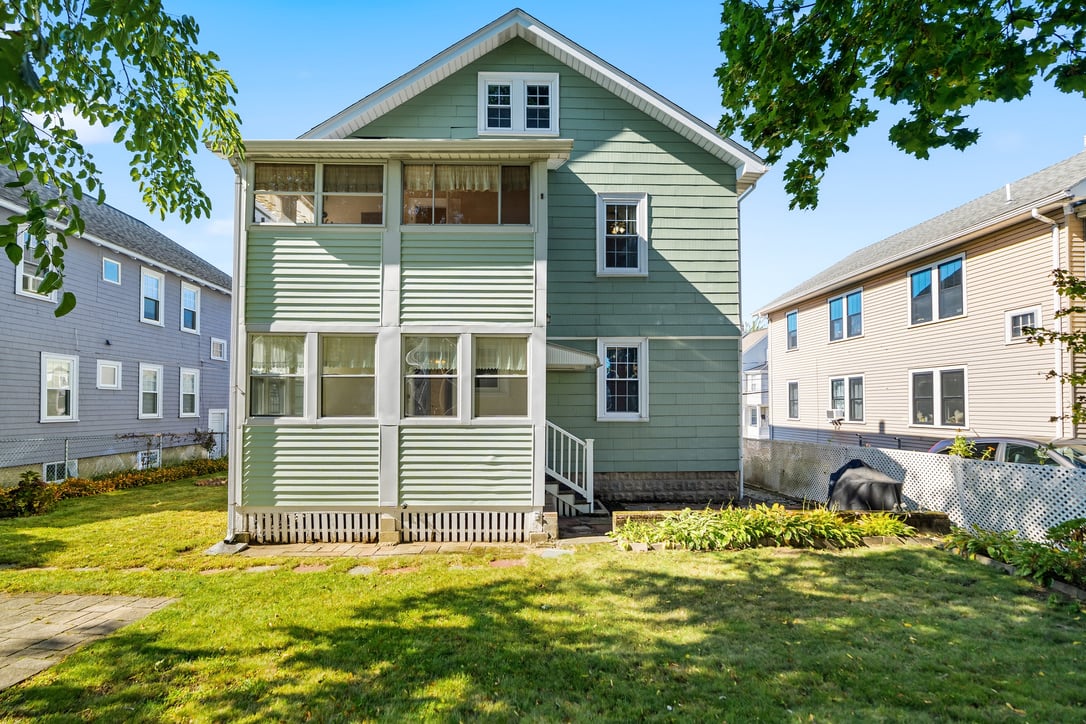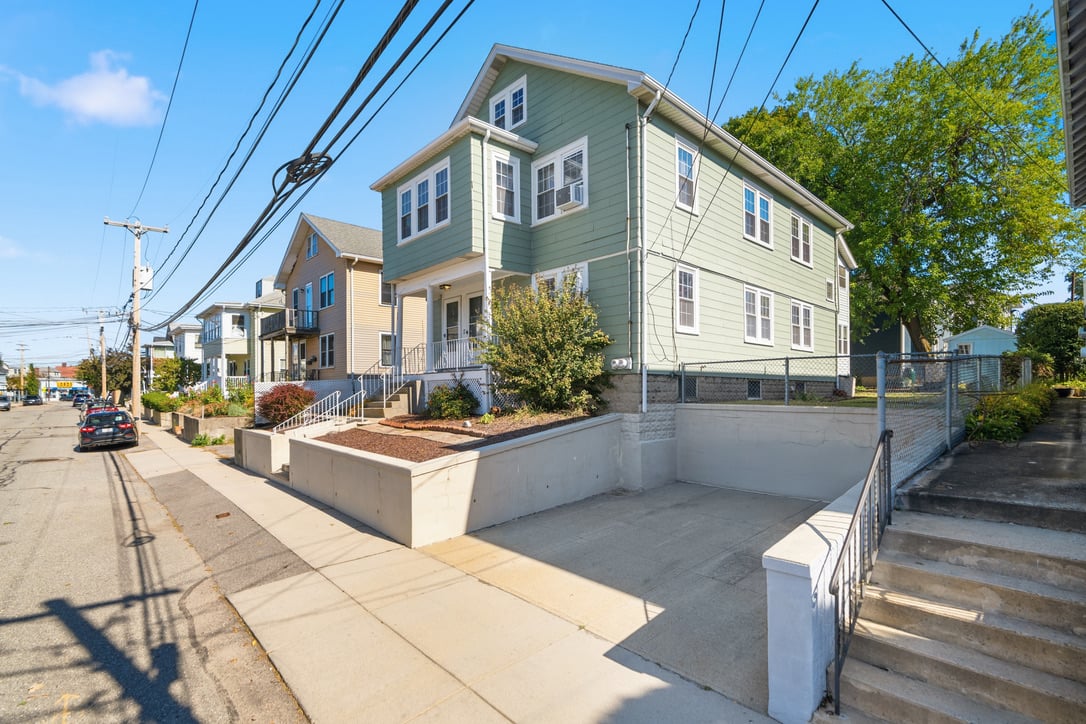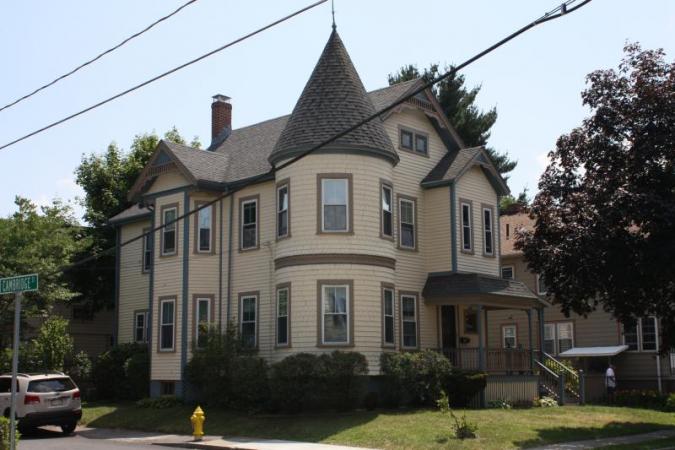
Belmont adopted MBTA 3A zoning at Town Meeting in 2024, the state approved it, and by right multifamily is now allowed in two overlay districts. If you own a house near Belmont Center or Waverley Square, that change may already have moved what your land is worth, and most owners here still have no idea whether their parcel is in or out.
What Belmont's 3A overlay actually changed
Belmont's 3A overlay, the Multifamily Housing Overlay District, allows multifamily housing by right at a minimum density of 15 units per acre inside two compliance districts: Belmont Center and Waverley Square. Waverley Square is the larger of the two and carries the bulk of the district acreage.
The words that matter are "by right." An overlay is layered on top of the existing zoning rather than replacing it, so your underlying district still governs everything you already could do. What the overlay adds is a second path: a developer with a code compliant multifamily plan inside the district can go straight to site plan review and permitting instead of chasing a variance or a special permit through the Zoning Board of Appeals. In a town that has been notoriously hard to build multifamily in, removing the discretionary approval is the whole ballgame. It converts a five year maybe into a nine month yes.
The overlay is also not one flat zone. Belmont wrote subdistricts with different scale allowances, from small townhouse and low rise apartment scale up through taller apartment blocks on specific parcels. Two properties on the same street can sit in different subzones and carry completely different buildable envelopes, which is why a blanket statement about "Belmont 3A" tells you almost nothing about your own lot. You can read our breakdown of the law across the region on the MBTA 3A zoning hub.
Which Belmont properties actually gained value
The properties that gained the most are large lots inside the overlay, especially two family and three family homes on parcels big enough to pencil at 15 units per acre. Everything else moved much less, and plenty of Belmont moved not at all.
Think about it the way a developer does. Under 3A the value of a house stops being about the house. It becomes a question of how many units the dirt supports, what those units sell or rent for, and what it costs to get them out of the ground. A two family on a 10,000 square foot lot inside the Belmont Center overlay is the archetype. Under the old rules it was appraised against other two families. Under the overlay it is a development site, and the two buyer pools bid against each other. That is where the real repricing happens.
A modest single family on a 5,000 square foot lot inside the same district usually does not clear that bar. It is too small to hit density on its own, and the numbers only work if a developer can assemble it with the neighbors, which sometimes happens and usually does not. And a house three streets outside the district line got nothing at all from 3A. We break down the parcel level math on our MBTA 3A property value impact page.
What a developer looks at before they call you
Before anyone makes you an offer on land, they are checking four things: whether you are inside the district, which subzone you are in, how big your parcel is, and whether the site can physically hold the units the zoning allows.
Lot area and shape come first. A long narrow lot with a difficult setback geometry can sit inside the overlay and still be unbuildable at scale. Then comes what is already on the site: ledge, an easement running through the rear, a shared driveway, or a deeded right of way can each kill a project on paper. Then the assembly question, which is whether your abutters are likely to sell too, because two adjacent parcels are frequently worth more together than the sum of two separate closings. Sitework and utilities are the quiet killer, since what Belmont's old sewer and water infrastructure can absorb on a given street is a real constraint that a spreadsheet at 15 units per acre does not know about.
You can start on your own. Pull your parcel on the town assessor's map, cross reference it against the MOZ overlay maps on belmont-ma.gov, and pull your deed at the Middlesex South Registry of Deeds in Cambridge to confirm your exact lot area and any encumbrances recorded against the property. Those three documents answer most of the question before you ever talk to a developer.
What 3A does not do
Being inside the overlay does not force you to do anything, and it does not mean an offer is coming.
Nobody can take your house. The overlay is permissive, not compulsory. You can live in your single family inside the Waverley Square district for the next thirty years and the zoning change costs you nothing. It also does not change your obligations as an owner or a landlord. If you sell, you still deliver a valid smoke and carbon monoxide detector certificate from the Belmont Fire Department at closing. If you sell a condo, you still need the 6D certificate from the association confirming the fees are current. If you rent the unit out, the state security deposit law is exactly as unforgiving as it was before.
It also does not mean Belmont is about to look like Somerville. Two districts got rezoned, not the whole town, and building anything here still requires a developer willing to carry construction costs and Belmont land basis at the same time. The honest answer for most Belmont owners is that nothing about their property changed.
If you own or are buying in Belmont right now
The single most valuable thing you can know is whether your parcel is in the overlay, because that one fact splits Belmont into two completely different markets.
If you are in it, do not take the first knock on the door. Land buyers in overlay districts move early and price for the seller who does not know what they have. Get a real read on the buildable unit count on your lot before you talk numbers with anyone.
If you are buying, treat the district line as a pricing input. An overlay parcel carries an option value that a comparable house one block outside the line does not, and that option is priced into some listings and completely missed in others. That gap is where the deals are. See what we are watching across town on our Belmont real estate page, and how we underwrite multifamily on our Greater Boston multifamily investing page.
Frequently Asked Questions
Is multifamily housing allowed by right in Belmont now?
Yes, multifamily housing is allowed by right inside Belmont's two 3A compliance districts, Belmont Center and Waverley Square, at a minimum density of 15 units per acre, though the rest of the town is unchanged.
Which parts of Belmont are in the 3A overlay?
Belmont's Multifamily Housing Overlay District covers two areas, Belmont Center and Waverley Square, with Waverley Square holding the majority of the district acreage as the larger contiguous area.
Did 3A zoning increase my Belmont home's value?
It increased value meaningfully only if your parcel sits inside an overlay district and is large enough to support multifamily development, and for the majority of Belmont homes outside the districts it changed nothing.
Do I still need a special permit to build multifamily in the overlay?
No, a code compliant multifamily project inside the overlay proceeds by right through site plan review rather than through a discretionary special permit or variance at the Zoning Board of Appeals, which is the core change 3A made.
How do I find out if my Belmont property is in the district?
Cross reference your parcel on the town assessor's map against the MOZ overlay maps published on belmont-ma.gov, then confirm your recorded lot area and any easements with your deed at the Middlesex South Registry of Deeds.
Should I sell to a developer if I am inside the overlay?
Only after you know the buildable unit count on your specific lot, because the first offer an owner receives in an overlay district is almost always priced against what the seller does not yet know.
Talk it through with someone who knows the parcels
We track the Belmont overlay district lines, the subzones, and what is actually trading inside them. If you own near Belmont Center or Waverley Square and want a straight answer on whether 3A touched your property, reach out to PH Realty Group and we will tell you what your parcel can and cannot do.