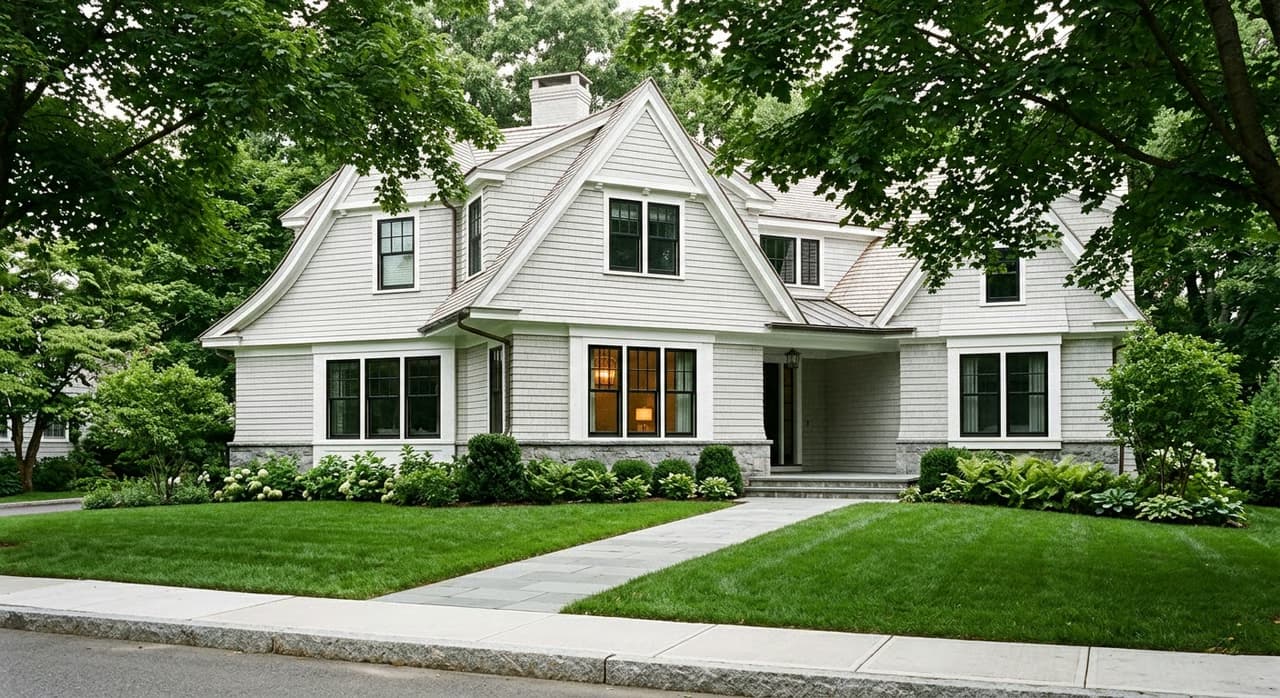
Arlington is one of those towns that people move to and never leave. It has the schools, the commute, the walkable village centers, and the kind of residential character that holds up decade after decade. It is also one of the hardest markets to buy into in all of Greater Boston. If you are serious about buying in Arlington, here is what you actually need to understand before you start making offers.
Why Arlington is so hard to buy into
Arlington is completely built out. There is almost no new single family construction possible in this town, which means the only inventory that comes to market is existing homes that current owners decide to sell. In a town where most people who buy stay for 15 to 25 years, that creates structural scarcity that no amount of interest rate movement or policy change is going to fix.
That scarcity shows up in the numbers. Active listings in Arlington have dropped significantly over the past year, and the homes that do come to market in the most desirable pockets tend to move fast. The median sale price for a single family home in Arlington has pushed past $1.5 million, and condos are averaging around $940,000. Those numbers are not Cambridge or Brookline territory yet, but the gap has been closing for years and keeps closing.
The buyers competing for these homes are not casual. Arlington draws young families upgrading from Somerville or Cambridge rentals, biotech professionals commuting to Kendall Square or the Route 128 corridor, dual income households who need top schools without giving up their city commute, and downsizers from Lexington or Winchester who want to stay close to everything without the larger lot maintenance. When a well priced three bedroom colonial comes up in a good school zone, the competition is real.
The neighborhoods and where to focus your search
Arlington is small enough that you can drive across it in ten minutes, but the neighborhoods have distinct character and price points that matter when you are deciding where to buy.
East Arlington is the closest thing Arlington has to an urban neighborhood. It borders Cambridge at Alewife, which puts the Red Line within walking or biking distance. Massachusetts Avenue runs through the center of it with restaurants, coffee shops, and small businesses that give the area a real street life. Younger buyers and professionals tend to gravitate here because of the Cambridge proximity and the energy. The trade off is that you pay for that access. East Arlington has some of the highest per square foot pricing in town, and the housing stock is denser, with more condos and two families than you find farther west.
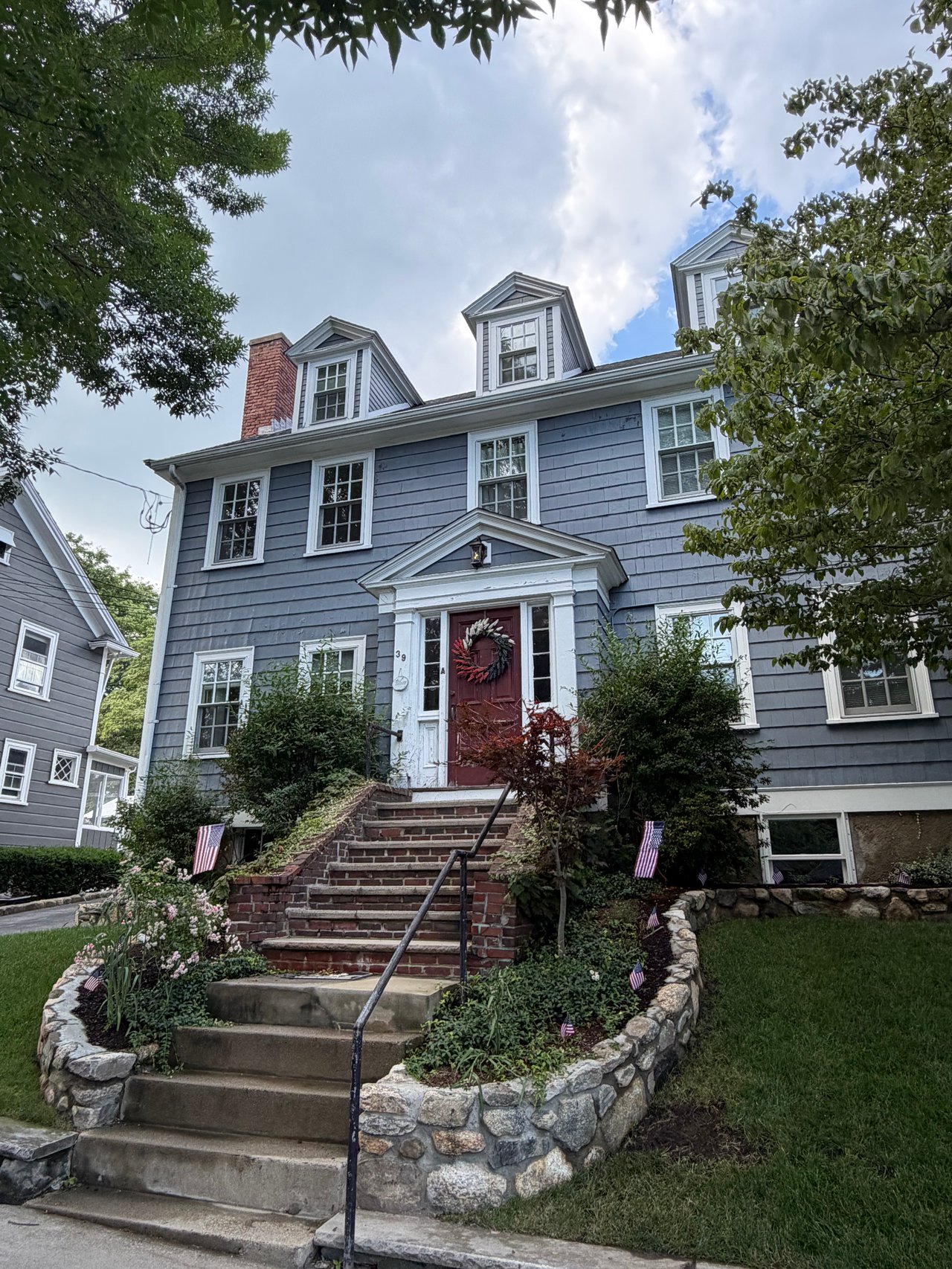
Arlington Center is the heart of the town and where most of the civic and commercial activity lives. The town hall, the library, local shops, and a handful of good restaurants anchor the area. The residential streets around the center are a mix of older colonials, capes, and some larger homes on deeper lots. Families with school age kids tend to target Arlington Center because of the walkability to schools and the concentration of youth programming nearby. Pricing here sits in the middle of the Arlington range, which still means you are well into seven figures for a single family in good condition.
Arlington Heights is the western end of town, closer to Lexington and farther from Cambridge. The lots get a bit larger, the streets get quieter, and the feel shifts toward a more traditional suburban character. Heights pricing has historically been slightly lower than East Arlington or Arlington Center for comparable homes, partly because the commute to Cambridge or Boston takes a few extra minutes. For buyers who want more space and a quieter block and are less focused on walkability to restaurants or the Red Line, Arlington Heights delivers real value relative to the rest of the town.
The Morningside area sits between Arlington Center and the Heights and is one of the quieter residential pockets in town. Families who want a slightly larger lot without going all the way to the Heights often land here. Jason Heights, near the Spy Pond area, draws buyers who like the water access and the proximity to both Arlington Center and East Arlington.
Schools are the main draw and the main driver of pricing
Arlington Public Schools are the reason half the families in this town are here. The district is well funded, the elementary schools consistently rate among the best in the state, and the high school ranks in the top 30 in Massachusetts. All seven public elementary schools score 7 or above on GreatSchools, which is a level of consistency that most Greater Boston towns cannot match.
What matters for buyers is that in Arlington, the specific school zone you land in affects which elementary your kids attend. Some buyers care more about a particular school than a particular street, and that is a legitimate way to run a search in this market. If schools are your primary driver, work with an agent who can map school zone boundaries to active and upcoming listings so you are not finding out which school you drew after you close.
The commute is better than most people expect
Arlington does not have its own rail station, and that is the one thing buyers from out of state always flag as a concern. What they do not realize until they live here is that the commute from Arlington to Cambridge and Boston is genuinely good despite the lack of a dedicated train stop.
Alewife station on the Red Line sits right at the Arlington and Cambridge border. From East Arlington, you can walk or bike to Alewife in minutes. From Arlington Center, a short bus ride or a bike on the Minuteman Bikeway gets you there. The 77 bus runs from Arlington Heights through Arlington Center to Harvard Square, and the 87 connects to Lechmere and the Green Line. By car, Massachusetts Avenue runs straight into Cambridge, and Route 2 connects to the highway system for commuters heading west or into Boston.
The Minuteman Bikeway deserves its own mention. It runs from Alewife through Arlington all the way to Bedford, and it is one of the best bike commuting corridors in New England. A significant number of Arlington residents commute to Cambridge by bike on this path, and it is one of the genuine quality of life advantages that sets Arlington apart from towns that look similar on paper.
How Section 3A zoning is changing what Arlington lots are worth
Arlington achieved compliance with Section 3A of the MBTA Communities Act, which requires the town to zone for multifamily housing by right near transit. For buyers and investors, this matters because certain parcels in Arlington now carry development potential they did not have before.
The 3A overlay means some lots that currently hold a single family or a small two family could, in theory, support a larger multifamily development by right under the new zoning. That does not mean every lot in the overlay is about to get torn down. What it means is that the floor value of certain parcels has shifted upward because a developer now sees buildable units where the zoning previously said no. For a buyer purchasing a home in or near an overlay district, that is potential upside on your land value over time. For an investor, it is a reason to look closely at what Arlington's Section 3A overlay actually allows on a specific parcel before you assume the current building is the highest and best use.
You can see the broader picture of how zoning is reshaping land value across the region on the PH Realty Group MBTA 3A zoning hub.
What to actually do if you want to buy in Arlington
Arlington rewards prepared buyers and punishes casual ones. Here is the practical playbook.
Get pre approved before you start looking, not after you find a house you like. In a market where good homes generate multiple offers within days, a buyer who needs two weeks to sort out financing loses to the one who is ready to write an offer on Saturday.
Know your neighborhood. If you have not spent time in East Arlington versus Arlington Center versus the Heights, do that before you start touring homes. The lifestyle difference between those areas is real, and buying in the wrong pocket for your life is a mistake that takes years to unwind.
Be realistic about what your budget buys. If your number is under a million, you are in condo territory in Arlington. If you are in the low to mid seven figures, you are looking at older single families that may need work, or you are competing hard for the handful of updated homes that come up each quarter. If you are north of $1.5 million, the selection opens up meaningfully but you are still in a competitive field.
Consider off market. Arlington has a real shadow inventory of homeowners who would sell for the right number but are not actively listing because they do not want to deal with open houses and staging. A broker who works Arlington regularly knows which streets have potential sellers and can surface opportunities that never hit the MLS. In a market with this little inventory, that access matters.
Frequently Asked Questions
Is Arlington MA a good place to buy a home?
Arlington is one of the strongest residential markets in Greater Boston for families and professionals. It offers top rated public schools, proximity to Cambridge and Boston, walkable village centers, and a housing stock that holds value because of structural scarcity and consistent demand.
How much does a house cost in Arlington MA?
The median single family home in Arlington has pushed past $1.5 million as of 2026. Condos average around $940,000. Pricing varies meaningfully by neighborhood, with East Arlington and Arlington Center commanding the highest prices and Arlington Heights offering somewhat more value for comparable space.
What is the commute from Arlington MA to Cambridge or Boston?
Arlington borders Cambridge at Alewife station on the Red Line, which provides direct subway access to Kendall Square, downtown Boston, and the entire Red Line corridor. MBTA buses including the 77 and 87 connect Arlington neighborhoods to Harvard Square and the Green Line. The Minuteman Bikeway provides a dedicated bike commuting path from Arlington to Alewife and Cambridge.
What are the best neighborhoods in Arlington MA for families?
Arlington Center and the Morningside area are popular with families who want walkability to schools and town amenities. East Arlington draws families who want Cambridge proximity. Arlington Heights is preferred by buyers who want larger lots and a quieter residential feel. All neighborhoods feed into the same well regarded Arlington Public Schools system.
Is Arlington MA competitive for buyers?
Yes. Arlington is one of the most competitive buyer markets in the inner suburbs because the town is completely built out, inventory is structurally limited, and demand from families and professionals remains strong year over year. Well priced homes in good condition and good school zones routinely attract multiple offers.
Does Arlington MA have a train station?
Arlington does not have its own MBTA rail station, but Alewife station on the Red Line sits directly at the Arlington and Cambridge border. East Arlington residents can walk or bike to Alewife in minutes, and the Minuteman Bikeway provides a car free commuting corridor from deeper in Arlington to the Red Line.
How does 3A zoning affect Arlington home values?
Arlington has adopted a Section 3A overlay district as required by the MBTA Communities Act, which allows multifamily development by right in certain areas near transit. Parcels inside the overlay may carry additional development value beyond their current use, which can support land values for owners in or near those districts over time.
Thinking about buying in Arlington?
If you are looking at Arlington or trying to figure out which neighborhood fits your family and your budget, PH Realty Group works across Arlington and the surrounding towns including Belmont, Lexington, Cambridge, and Somerville. We know which streets trade, which pockets are undervalued, and where the off market opportunities sit. Reach out at [email protected], call (617) 393 3458, or text (781) 879 0863 to start a conversation.