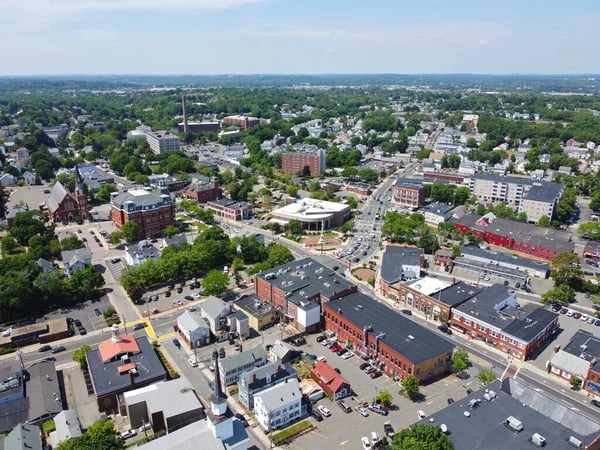
Waltham doesn't get the same attention as Cambridge, Somerville, or even Watertown in most buyer conversations. That's a mistake. It's one of the most transit-connected, economically diversified cities in the inner western suburbs, and the housing market still prices below what you'd pay in almost every comparable town along the corridor.
This post breaks down why Waltham is a strong buy right now, what the market actually looks like on the ground, and who this town works best for.
What Makes Waltham Different from the Rest of the Inner Suburbs
The first thing most buyers notice about Waltham is the price gap. The median sale price for a home in Waltham is running around $850,000 as of mid-2026. That's up about three percent year over year, which is steady appreciation without the kind of overheating you see closer to the city. Compare that to Cambridge, where the median is well over a million, or even Watertown, where pricing has climbed meaningfully over the past few years, and Waltham starts to look like the value play it is.
But price alone doesn't make a market worth buying into. What makes Waltham work is the combination of transit access, job proximity, and housing diversity that you don't get in most towns at this price point.
Waltham has three MBTA commuter rail stations on the Fitchburg Line: Waltham, Brandeis/Roberts, and Waverley. All three connect to North Station in roughly 25 to 35 minutes. That kind of rail access within a single city is unusual outside of Boston proper and gives buyers flexibility on where in town they live without losing their commute.
On top of that, Waltham sits directly on Route 128, which means you're a short drive from the densest concentration of biotech, life sciences, and tech employers in the suburbs. That's not theoretical demand. That's thousands of well-compensated professionals who need housing close to work and are willing to pay for it.
The Biotech Corridor Is Driving Real Demand
If you want to understand why Waltham's housing market has staying power, look at what's happening commercially. In just the past year, Stoke Therapeutics signed one of the largest biotech leases since early 2025 to expand its headquarters in Waltham. Biocytogen filled the last available floor at 300 Third Avenue, a purpose-built life sciences building that's now fully leased. CBSET is building out a 110,000 square foot facility at the former Sanofi-Genzyme site on Second Avenue, scheduled to open later this year. Cogent Biosciences moved its headquarters to 180 CityPoint.
This isn't speculative development. These are signed leases and active buildouts by companies that are hiring. Every one of those tenants employs people who need a place to live, and many of them are going to look in the town where they work before they look anywhere else. That's the kind of structural demand that supports home values over time, and it's a meaningful part of why Waltham's appreciation has been steady rather than speculative.
What You'll Find on the Market
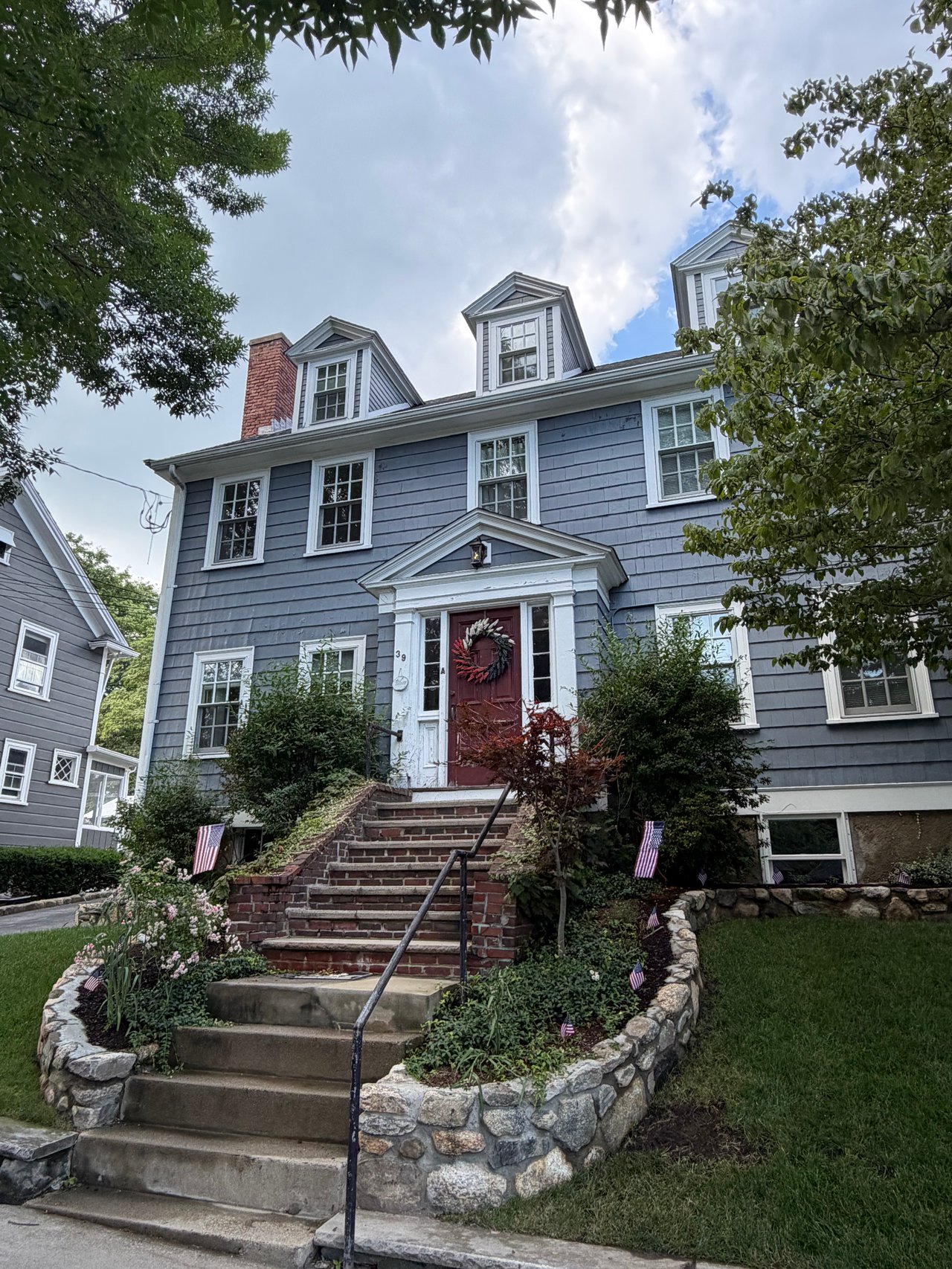
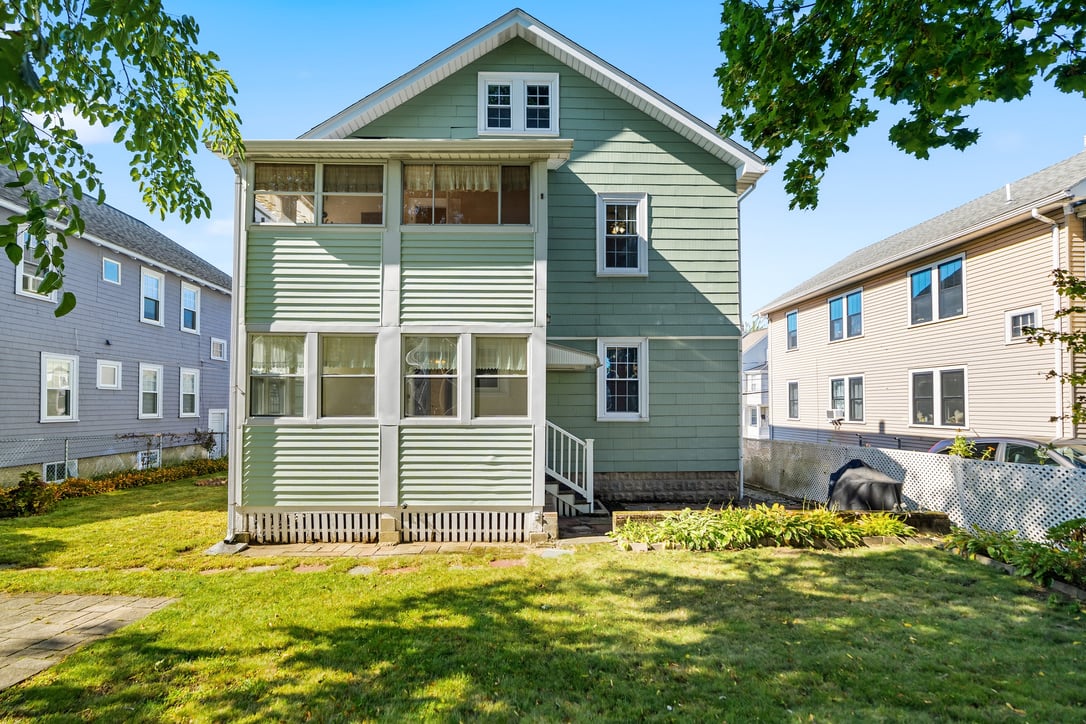
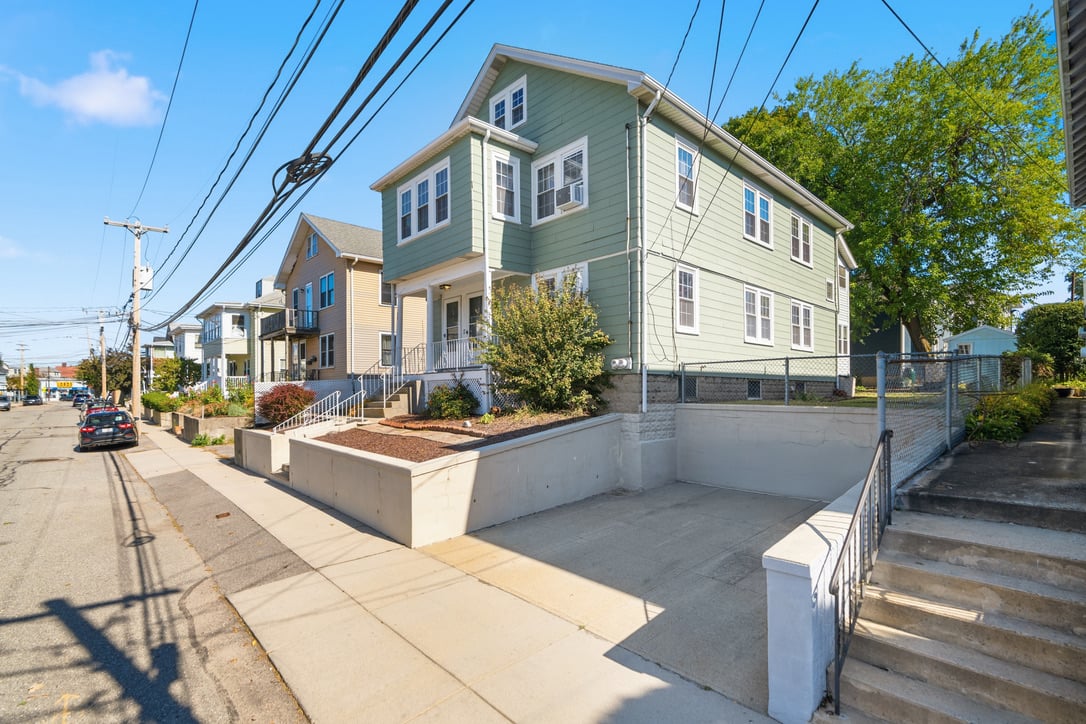
Waltham's housing stock is genuinely diverse, which is one of its biggest advantages as a market. You'll find single-family colonials and ranches in the residential neighborhoods north and west of downtown. Two and three family homes are concentrated along the main corridors and near Moody Street. Condos range from older conversions in the $400,000 to $500,000 range to newer construction closer to the CityPoint development.
The condo entry point is one of the things that makes Waltham accessible for first-time buyers and investors alike. A two-bedroom condo in a converted multi-family near Moody Street puts you in a walkable neighborhood with restaurants, shops, and transit access for significantly less than what the same unit would cost in Cambridge or Brookline.
For single-family buyers, the neighborhoods near Waverley Square and along Trapelo Road offer a more suburban feel while still keeping you close to the commuter rail. Pricing up there trends higher — closer to the Belmont line, you'll see values that start to overlap with Belmont itself — but you're getting more space and a quieter street than you would downtown.
Roughly half of Waltham's occupied housing units are owner-occupied, which tells you this is a town where people buy and stay. That's a different profile from a market dominated by renters or transient residents, and it contributes to the kind of neighborhood stability that holds value through market cycles.
The House Hack and Multi-Family Case
For buyers looking to offset their mortgage with rental income, Waltham is one of the stronger markets in the western suburbs. The two and three family stock is real, the rental demand is driven by the universities and the biotech employers, and the median gross rent in town is running around $3,000 a month.
A two-family near Moody Street or within walking distance of the Waltham commuter rail station puts you in one of the most rentable locations in the city. Tenants want walkability, food, and transit, and that part of town delivers all three. If you're buying a multi-family as an owner-occupant, those are the corridors where the rent you collect on the other unit will be highest relative to your carrying costs.
One dynamic worth understanding: Waltham adopted MBTA 3A zoning in early 2025, which allows by-right multifamily development near the Brandeis/Roberts and Waverley stations. Over the next several years, that zoning change is going to bring new housing supply into those areas. For existing multi-family owners, that means your property sits in a zone that the city has formally designated for density, which is generally a positive for long-term land value even as new units come online.
If you're evaluating a multi-family purchase in Waltham, run the numbers carefully with actual rents, not estimates. PH Realty Group works with investors in this market regularly and can walk you through the underwriting on any property you're considering.
Moody Street and the Lifestyle Factor
One thing that surprises buyers who haven't spent time in Waltham is how much the downtown has evolved. Moody Street is the center of it — a walkable stretch of restaurants, bars, and shops that has become one of the better dining corridors in the western suburbs. The restaurant scene is diverse and genuinely good, not the kind of generic suburban strip you find in most towns this far from Boston.
That matters for two reasons. First, it makes Waltham a place people actually want to live, not just a place that pencils out on a spreadsheet. Second, it drives rental demand from younger professionals who want neighborhood life without paying Cambridge or Somerville rents. If you own a rental unit near Moody Street, your tenant pool is deep and your vacancy risk is low.
What to Know Before You Start Looking
Waltham is a competitive market, though less intense than what you'd face in Cambridge or Somerville. Well-priced homes in good condition are moving in about three weeks, and properties in the most desirable locations are seeing multiple offers.
If you're serious about buying here, come prepared. That means pre-approval in hand, a clear understanding of your budget, and a willingness to move quickly when the right property shows up. The days of lowball offers and extended negotiation timelines in this market are behind us.
Also worth noting: Waltham is a city, not a town, and it has a different governance structure and tax rate than some of the surrounding communities. The residential tax rate is competitive, but make sure you understand the full picture on taxes, water and sewer costs, and any condo fees before you commit. These carrying costs vary more than people expect across the western suburbs.
FAQ
Is Waltham MA a good place to buy a home?
Waltham is one of the most underrated markets in Greater Boston. It offers three commuter rail stations, a strong and growing biotech employment base along Route 128, diverse housing stock from condos to multi-families, and a median home price that sits well below Cambridge, Somerville, or Brookline. For buyers who want transit access, walkable dining, and room to grow equity, it's a strong market.
How do you commute from Waltham to Boston?
Waltham has three stops on the MBTA Fitchburg commuter rail line — Waltham, Brandeis/Roberts, and Waverley — all of which connect to North Station in roughly 25 to 35 minutes. By car, Route 128 and the Mass Pike provide direct access to downtown Boston and Cambridge. Several MBTA bus routes also serve the area.
Is Waltham a good market for real estate investment?
Waltham's combination of strong rental demand, university-driven tenant base, biotech employment growth, and MBTA 3A zoning creates solid fundamentals for investors. Two and three family properties in walkable locations near transit command competitive rents and have appreciated steadily. The median gross rent in town is approximately $3,000 per month as of mid-2026.
What is Moody Street in Waltham known for?
Moody Street is Waltham's main commercial corridor, running through the downtown core. It's known for its diverse and high-quality restaurant scene, independent shops, and walkable neighborhood feel. For homebuyers, proximity to Moody Street translates to strong rental demand, low vacancy, and a genuine neighborhood lifestyle.
How does Waltham compare to Watertown for homebuyers?
Both are strong markets in the inner western suburbs. Watertown is closer to Cambridge and benefits from bus-based transit to Harvard Square. Waltham offers commuter rail access, a lower entry price, and a larger and more diverse housing stock. Waltham also has a stronger commercial employment base, particularly in biotech and life sciences. Which market is better depends on your commute, budget, and whether you prioritize rail transit versus bus access.
What is MBTA 3A zoning and how does it affect Waltham?
MBTA 3A is a state mandate requiring communities with MBTA service to zone for multifamily housing near transit stations. Waltham adopted its 3A zoning plan in early 2025, allowing by-right multifamily development near the Brandeis/Roberts and Waverley commuter rail stations. For existing property owners in those areas, the zoning change supports long-term land values. For buyers, it signals that new housing supply will come online over the next several years.
If you're looking to buy in Waltham or want help evaluating a multi-family investment in the area, reach out to PH Realty Group. We know this market inside and out and can give you a clear read on what's worth your time and what isn't.