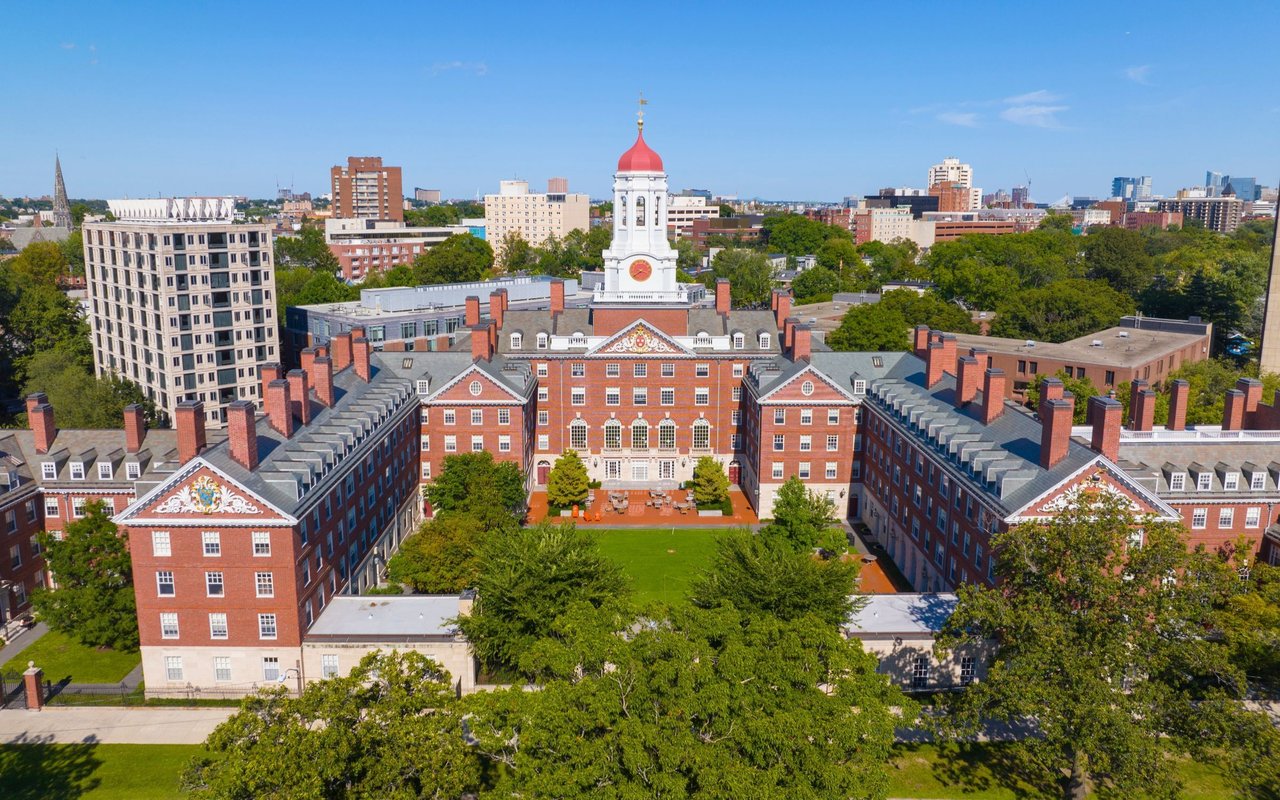
Cambridge sits directly across the Charles River from Boston, sharing borders with Somerville, Watertown, Belmont, Arlington, and Lexington. It is one of the most densely developed and intellectually concentrated cities in the country, shaped by the simultaneous presence of Harvard University, MIT, and one of the most productive biotech and technology corridors in the world along the Kendall Square axis. That institutional foundation is not incidental to the real estate market — it is the market. The tenant pool, the buyer profile, the pace of appreciation, and the durability of demand in Cambridge all flow directly from what those institutions generate in terms of population, employment, and economic activity.
For buyers and investors evaluating Cambridge, the fundamental question is not whether the market is sound — it is whether you can move fast enough and with enough conviction to compete in it.
The Housing Stock
Cambridge's housing stock is predominantly multifamily. Triple-deckers, two-families, and larger apartment buildings make up the backbone of the residential landscape, particularly in East Cambridge, Inman Square, and the neighborhoods between Central Square and Somerville. These properties are among the most sought-after investment assets in all of Greater Boston, and when they come to market — especially below the premium luxury tier — they generate significant competition.
The condo market is equally active. Cambridge has a wide range of condo product, from entry-level units in converted multifamilies near Porter Square to high-end new construction in the Kendall Square corridor and luxury condominiums along the Charles River. Single-family homes exist but are genuinely rare and priced accordingly.
Getting Around
Cambridge is one of the best-connected cities in the MBTA network. The Red Line runs through the heart of the city with stops at Kendall/MIT, Central Square, Harvard Square, and Porter Square, providing direct service to downtown Boston, South Station, and the entire Red Line corridor. The Green Line B, C, and D branches all terminate or pass through areas adjacent to Cambridge. Multiple bus routes serve every corner of the city, and Cambridge's bike infrastructure is among the most developed in the region.
The walk and transit scores across Cambridge's core neighborhoods are among the highest in Massachusetts. For residents without a car, Cambridge works as well as anywhere in Greater Boston.
Neighborhood Character
Cambridge is a city of distinct squares, each with its own identity and buyer profile.
Harvard Square is the most recognizable. The concentration of bookstores, restaurants, bars, and the physical presence of Harvard's campus make it one of the most vibrant street-level commercial environments in New England. Real estate here commands a premium that reflects both the location and the consistent demand from Harvard affiliates.
Kendall Square has undergone a dramatic transformation over the past two decades. What was an industrial backwater adjacent to MIT is now one of the most valuable biotech and technology hubs in the world, with major pharmaceutical companies, research institutions, and venture-backed startups as neighbors. The residential market in and around Kendall has followed the commercial development and continues to attract high-earning professionals in life sciences and tech.
Central Square is the most authentically urban node in Cambridge, with a dense mix of restaurants, music venues, independent retail, and longtime residents alongside newer arrivals. It sits squarely on the Red Line and draws buyers who want urban character and transit access at a slight discount to Harvard Square.
Inman Square, just off the Red Line, has built one of the strongest neighborhood food and drink scenes in Greater Boston and attracts buyers who want a residential feel with genuine walkable amenity. Porter Square, at the northern edge of the city, provides Red Line and Commuter Rail access and a more residential character, popular with families and Tufts-adjacent renters and buyers.
East Cambridge, closer to Kendall and the Charles River, has absorbed significant development pressure and is increasingly attractive to buyers seeking proximity to the biotech corridor without the full Harvard Square price premium.
Who Lives Here
Cambridge skews young and highly educated, with a median age in the low thirties and a population that is heavily weighted toward graduate students, postdoctoral researchers, university faculty, and knowledge economy professionals. The tenant pool is exceptionally stable and creditworthy relative to comparable urban markets, which is a meaningful factor for investors underwriting rental properties here.
At the same time, Cambridge has deep-rooted communities of longtime residents, including significant Portuguese and Haitian communities in East Cambridge and a multigenerational population that has called the city home for decades alongside the university community. That layered character gives Cambridge a texture and authenticity that purely institutional cities lack.
For Buyers and Investors
Cambridge is a market where hesitation is expensive. Properties here, particularly multifamilies and well-located condos, do not wait for buyers who are not ready. The structural drivers of demand — Harvard, MIT, the biotech corridor, Red Line access — are not going anywhere, and the supply of truly desirable multifamily and single-family stock is finite and shrinking as condo conversions continue.
For investors, Cambridge offers the strongest combination of tenant quality, occupancy durability, and long-term appreciation of any market in Greater Boston. For buyers purchasing a primary residence, it is a market where the right asset tends to hold value through cycles in a way that few urban markets can match.
PH Realty Group works with buyers, sellers, and investors throughout Cambridge. If you are evaluating a purchase, considering a sale, or want to understand where the market stands right now, reach out directly.
Frequently Asked Questions
What MBTA lines serve Cambridge? The Red Line is the primary transit line, with stops at Kendall/MIT, Central Square, Harvard Square, and Porter Square providing direct service to downtown Boston. Cambridge is also accessible via multiple Green Line branches and bus routes throughout the city. Porter Square also has Commuter Rail service on the Fitchburg Line.
What are the best neighborhoods in Cambridge? That depends on what you are looking for. Harvard Square is the most established and premium. Kendall Square is the fastest-appreciating due to the biotech and tech corridor. Central Square offers the most urban character at a relative discount. Inman Square has the strongest neighborhood food and drink scene. Porter Square and East Cambridge attract buyers who want Red Line access with a more residential feel and slightly more competitive pricing.
How does Cambridge compare to Somerville? Cambridge and Somerville share a border and a similar demographic profile, but Cambridge generally commands higher prices for comparable product. The institutional presence of Harvard and MIT, the Kendall Square employment base, and the Red Line through the core of the city all support a persistent premium. Somerville is where buyers who want the same lifestyle and transit access at a lower entry point typically look.
Is Cambridge a good place to invest in real estate? Yes, consistently. Cambridge has one of the most durable rental markets in Greater Boston, driven by Harvard, MIT, and the biotech and tech industries along the Kendall corridor. Vacancy rates are structurally low and the tenant pool is deep and creditworthy. Multifamily properties here are among the most sought-after investment assets in the region.
What types of homes are available in Cambridge? The dominant product types are triple-deckers and two-family homes, condo conversions of older multifamily buildings, and newer construction condos in the Kendall Square and East Cambridge corridors. True single-family homes are rare and command significant premiums. The condo market spans a wide range from entry-level to luxury.
How competitive is the Cambridge real estate market? Very. Well-priced properties, especially multifamilies and condos in strong locations, receive multiple offers and move quickly. Buyers need to be pre-approved, decisive, and working with an agent who knows the market at the street level. Waiting to see how a property does over time is rarely a viable strategy here.
117,794 people live in Cambridge, where the median age is 30.5 and the average individual income is $76,789. Data provided by the U.S. Census Bureau.
Total Population
Median Age
Population Density Population Density This is the number of people per square mile in a neighborhood.
Average individual Income
There's plenty to do around Cambridge, including shopping, dining, nightlife, parks, and more. Data provided by Walk Score and Yelp.
Explore popular things to do in the area, including New Asia, Domino's Pizza, and Walgreens.
| Name | Category | Distance | Reviews |
Ratings by
Yelp
|
|---|---|---|---|---|
| Dining · $ | 0.42 miles | 24 reviews | 2.5/5 stars | |
| Dining · $ | 0.53 miles | 67 reviews | 2/5 stars | |
| Dining | 0.61 miles | 13 reviews | 3.5/5 stars | |
| Dining | 1.01 miles | 0 reviews | 0/5 stars | |
| Shopping | 0.18 miles | 20 reviews | 3.2/5 stars | |
| Shopping | 0.21 miles | 2 reviews | 2.5/5 stars | |
| Shopping | 0.59 miles | 0 reviews | 0/5 stars | |
| Active | 0.07 miles | 0 reviews | 0/5 stars | |
| Active | 0.24 miles | 1 review | 5/5 stars | |
| Active | 0.3 miles | 0 reviews | 0/5 stars | |
| Active | 0.42 miles | 0 reviews | 0/5 stars | |
| Active | 0.61 miles | 1 review | 5/5 stars | |
| Active | 0.72 miles | 0 reviews | 0/5 stars | |
| Active | 0.72 miles | 0 reviews | 0/5 stars | |
| Active | 0.8 miles | 0 reviews | 0/5 stars | |
| Active | 0.8 miles | 0 reviews | 0/5 stars | |
| Active | 0.9 miles | 0 reviews | 0/5 stars | |
| Active | 0.93 miles | 21 reviews | 4.3/5 stars | |
| Active | 0.96 miles | 0 reviews | 0/5 stars | |
| Beauty | 0.37 miles | 18 reviews | 3.7/5 stars | |
| Beauty | 0.55 miles | 0 reviews | 0/5 stars | |
|
|
||||
|
|
||||
|
|
||||
|
|
||||
|
|
||||
|
|
Cambridge has 49,592 households, with an average household size of 2.06. Data provided by the U.S. Census Bureau. Here’s what the people living in Cambridge do for work — and how long it takes them to get there. Data provided by the U.S. Census Bureau. 117,794 people call Cambridge home. The population density is 18,415 and the largest age group is Data provided by the U.S. Census Bureau.
Total Population
Population Density Population Density This is the number of people per square mile in a neighborhood.
Median Age
Men vs Women
Population by Age Group
0-9 Years
10-17 Years
18-24 Years
25-64 Years
65-74 Years
75+ Years
Education Level
Total Households
Average Household Size
Average individual Income
Households with Children
With Children:
Without Children:
Marital Status
Blue vs White Collar Workers
Blue Collar:
White Collar: