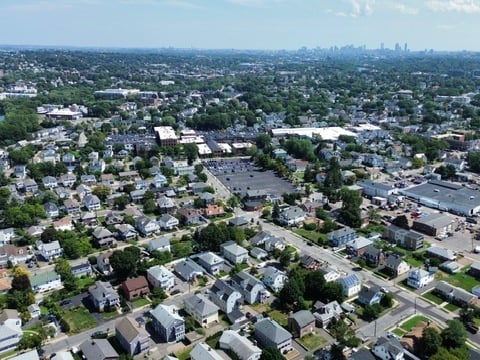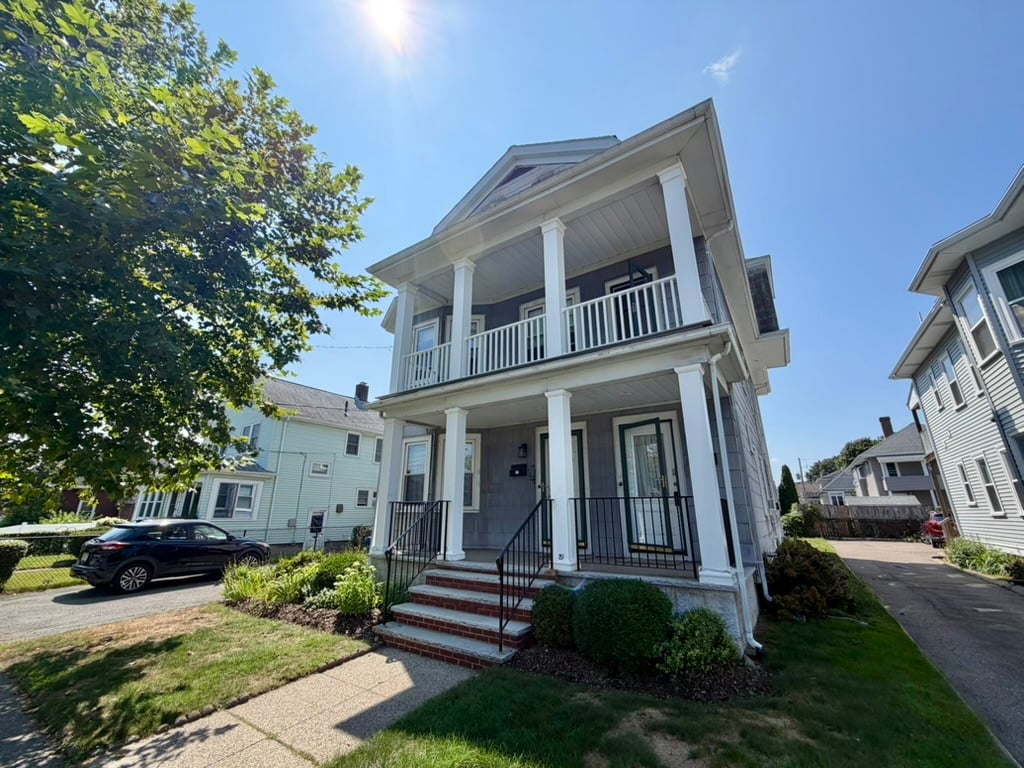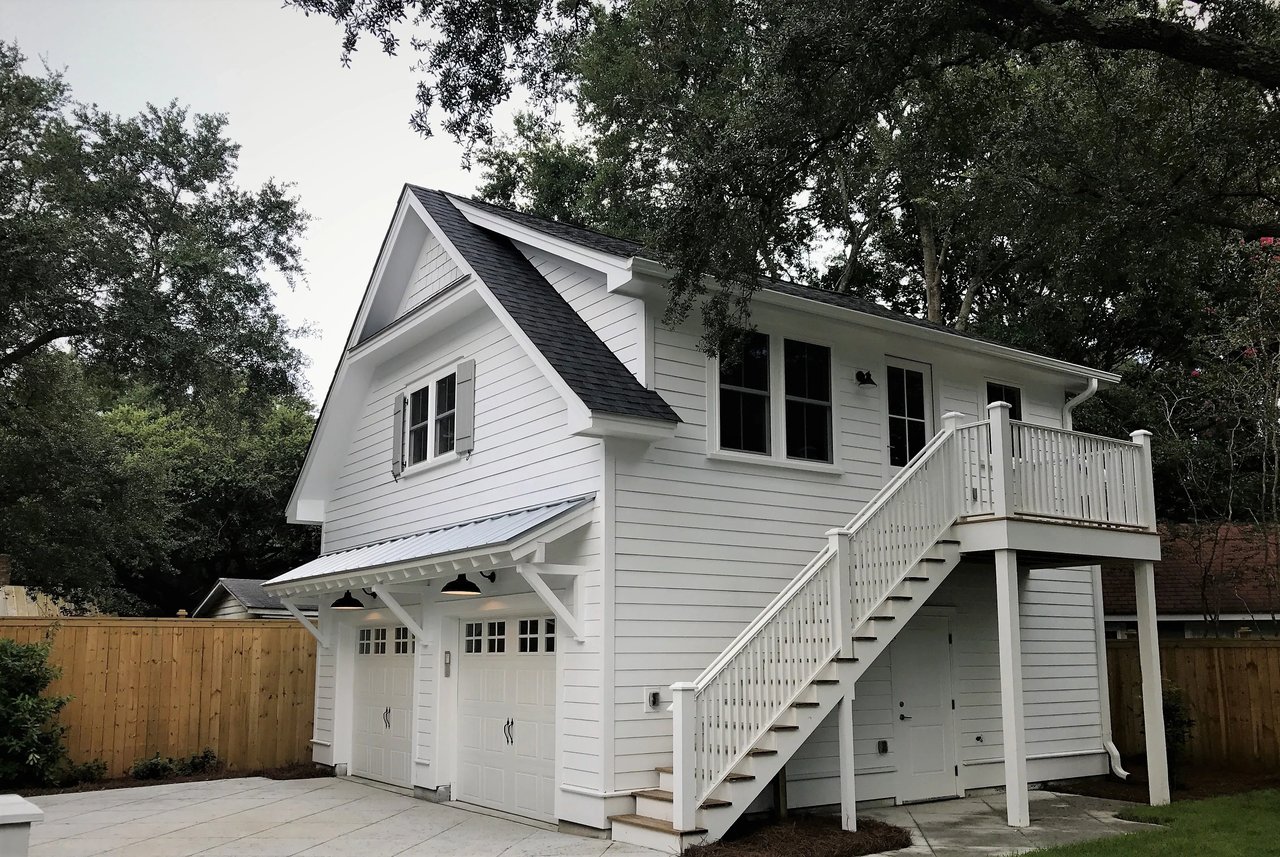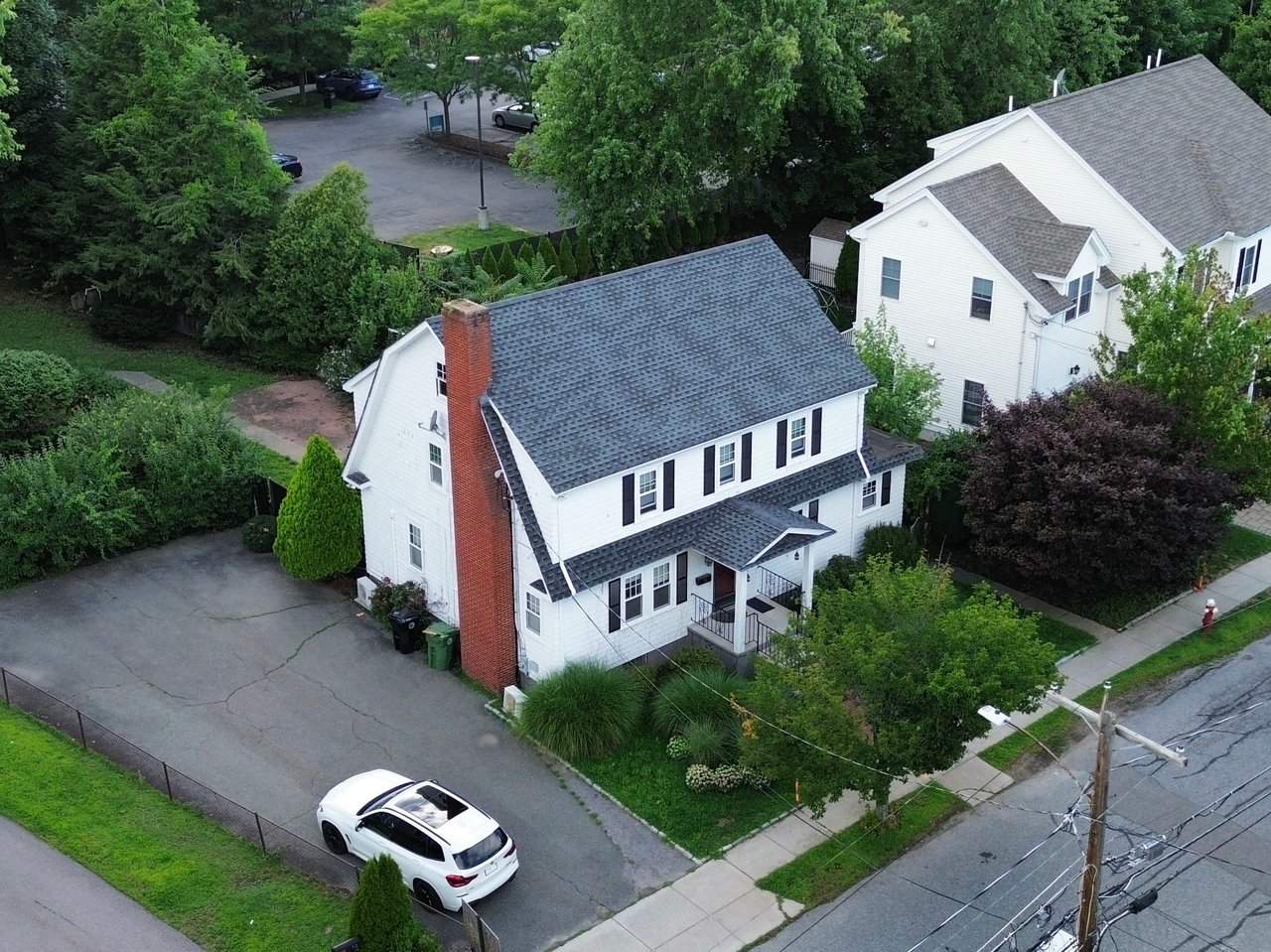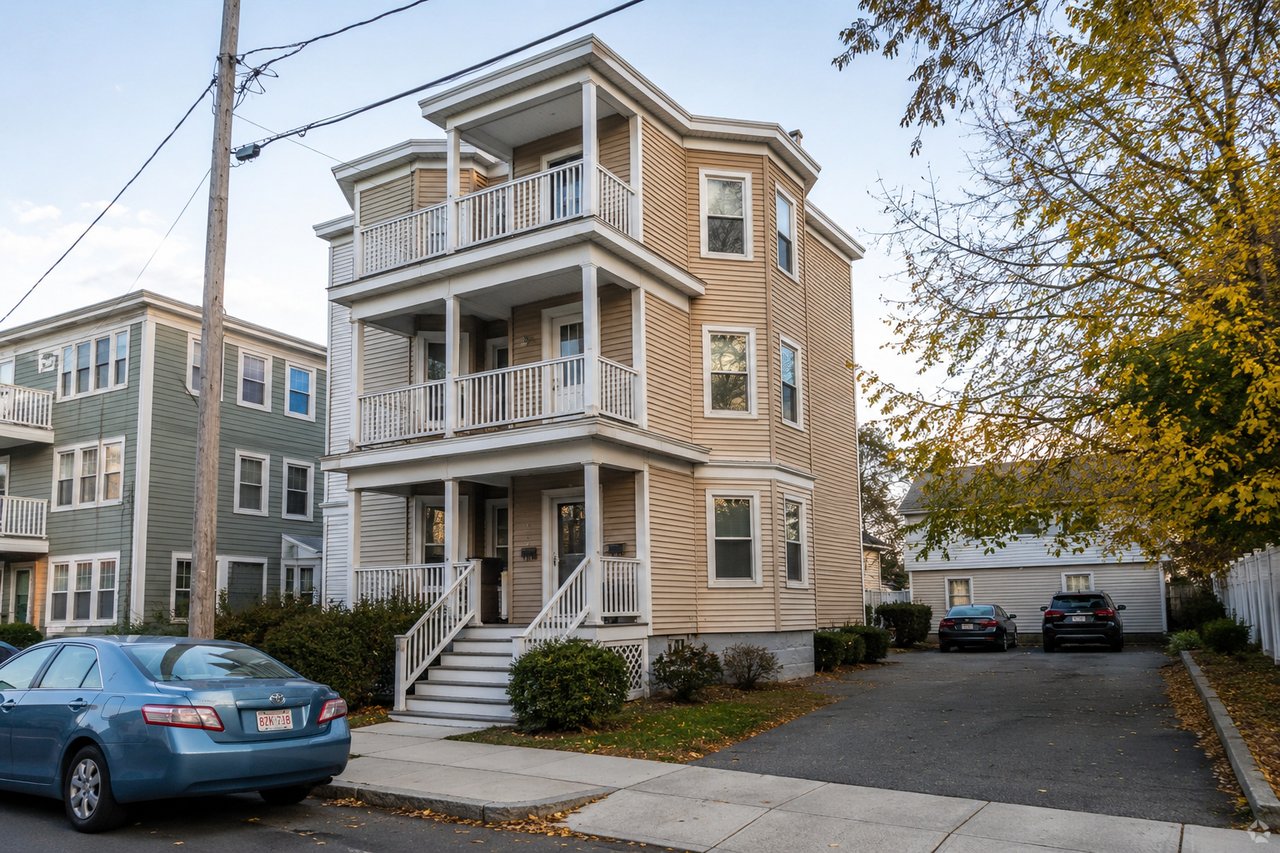
Waltham multi family homes are one of the smartest entry points into Greater Boston real estate investing, and house hacking is how most buyers actually pull it off. The idea is simple. You buy a two to four unit building, live in one of the units, and let the rent from the others carry most of your housing cost. This guide covers why Waltham works for that strategy, how to read a small multi family deal, and where the two and three family stock actually sits.
Why Waltham Works for Multi Family
Waltham sits directly west of Boston and Cambridge in Middlesex County, bordering Newton, Watertown, Belmont, and Lexington. That position gives you real proximity to the Cambridge and Boston job centers without Cambridge or Somerville prices, which is exactly the gap that makes the rental math work for a house hacker.
The demand side is unusually steady here. Waltham is home to two universities, Brandeis and Bentley, which means a reliable pool of graduate students, faculty, and staff who need housing every single year. On top of that, the Fitchburg Line commuter rail runs through town with stops at Waltham station and Brandeis/Roberts, feeding directly into North Station. Tenants who commute into the city will pay for that access, and units within walking distance of a stop rent faster and sit empty less often.
Then there is the housing stock itself. Waltham grew up as a mill and manufacturing town, so the older neighborhoods are full of genuine two and three family homes built for working families. That inventory is what gives a first time investor something to actually buy.
What House Hacking Actually Means Here
House hacking is the practice of buying a small multi family, living in one unit, and renting out the rest so your tenants cover most or all of your mortgage. It is the most accessible way into property ownership because you are buying the building as your primary residence, not as a pure investment.
That distinction unlocks owner occupant financing. Standard residential loan programs apply to properties of up to four units, and the lower down payment options that come with living in the home apply right up to that four unit ceiling. So you can buy a two, three, or four family on far better terms than an investor buying the identical building to rent out entirely.
The loop from there is straightforward. Your tenants pay down your loan and offset your living cost while you build equity. After a year or two you can move out, keep the building as a rental, and repeat on the next one, turning a single Waltham purchase into the first piece of a portfolio.
How to Read a Waltham Two to Four Unit Deal
The number investors lean on is the cap rate: the building's annual net operating income divided by its price. Net operating income is the rent you collect minus operating expenses like property taxes, insurance, water and sewer, and maintenance, but not your own mortgage. The result is a percentage that lets you compare one building against another regardless of how you finance it.
For a house hacker, the cap rate is useful but it is not the number that decides your life. What matters more day to day is how much of your own housing cost the other units offset once you are living there. A three family where two rents cover most of your payment is a very different experience from a two family where one rent covers half. Run both versions of the math before you fall in love with a property.
Here is how the common Waltham options compare for someone planning to live in the building.
Property Type | What You Occupy | Rents Offsetting Your Cost | Owner Occupant Financing | Management Load |
|---|---|---|---|---|
Two family | One of two units | One rental unit | Eligible, up to four units | Lightest |
Three family | One of three units | Two rental units | Eligible, up to four units | Moderate |
Four family | One of four units | Three rental units | Eligible at the four unit ceiling | Heaviest |
Beyond the math, inspect the things that quietly make or break a small multi family. Check whether the units are separately metered or whether you will be paying the heat for the whole building, and look hard at the heating systems, the roof, and the major mechanicals. Confirm the legal unit count with the city, because Waltham has plenty of homes where a basement or attic unit was added without permits, and an illegal third unit can sink your financing and your rental income at once. In any home built before 1978, plan for lead paint, which carries real obligations when you rent to families with young children.
Where the Multi Family Stock Sits
The densest pockets of two and three family homes are in the older neighborhoods around Moody Street and the downtown core, much of it south of the Charles River. These streets were built close to the old factories and the rail, so they tend to be the most walkable and the easiest to rent.
Proximity to a commuter rail stop is the single biggest rentability driver. The streets within a short walk of Waltham station and Brandeis/Roberts command the steadiest tenant interest, especially from people commuting into the city. Near Brandeis, the area off South Street pulls graduate student demand, while the Bentley side of town toward Beaver Street draws a similar crowd. Parking is the other quiet factor: a two or three family with off street parking for each unit rents more easily than one where tenants fight for street spots.
If you want to look at specific two and three family options in Waltham, or run the numbers on a building you have already found, reach out to PH Realty Group and we will walk through the deal with you. Email [email protected], call (617) 393 3458, or text (781) 879 0863.
Frequently Asked Questions
Can you house hack a multi family in Waltham MA?
Yes, you can house hack a Waltham multi family by buying a two to four unit, living in one unit, and renting the others so your tenants help cover the mortgage. Waltham's older neighborhoods hold a deep supply of two and three family homes that suit this exactly.
How many units can you finance as an owner occupant?
Owner occupant residential financing covers properties of up to four units, so a single family, two family, three family, or four family all qualify as long as you live in one of the units. Five units and above shifts you into commercial lending.
Is Waltham a good market for multi family investing?
Waltham is a strong multi family market because it pairs steady rental demand from Brandeis University, Bentley University, and Boston commuters with a deep stock of older two and three family homes near the Fitchburg Line. That combination keeps vacancy low and entry prices below Cambridge.
What is a cap rate and why does it matter on a small multi family?
A cap rate is a property's annual net operating income divided by its price, shown as a percentage, and it lets you compare the return of one building against another regardless of financing. On a small multi family it gives you a quick read on whether a deal is priced reasonably.
Where do you find two and three family homes in Waltham?
Most of Waltham's two and three family homes sit in the older neighborhoods around Moody Street, the downtown core, and the streets near the Waltham and Brandeis/Roberts commuter rail stops. Areas near Brandeis and Bentley add steady student and faculty demand.