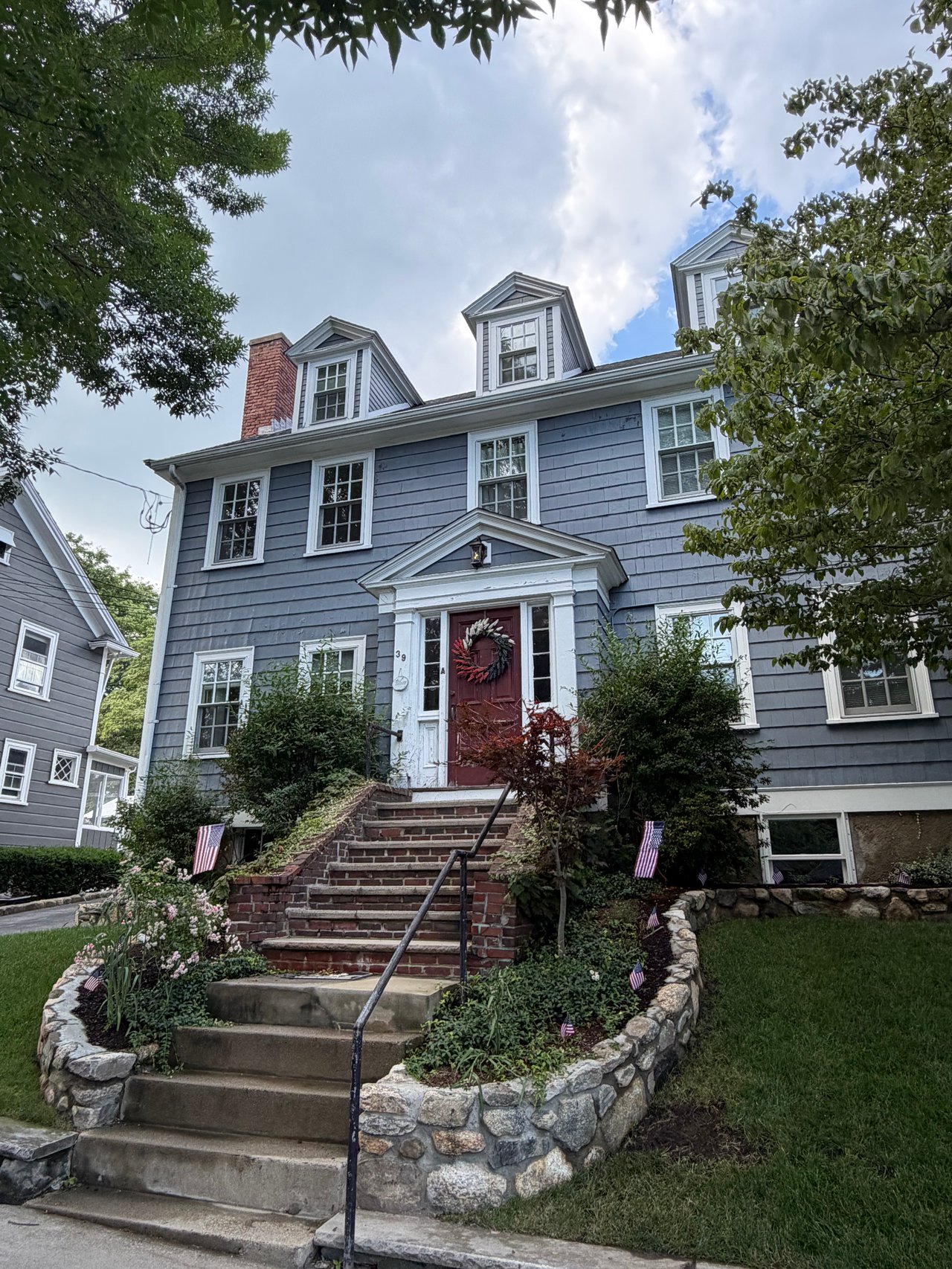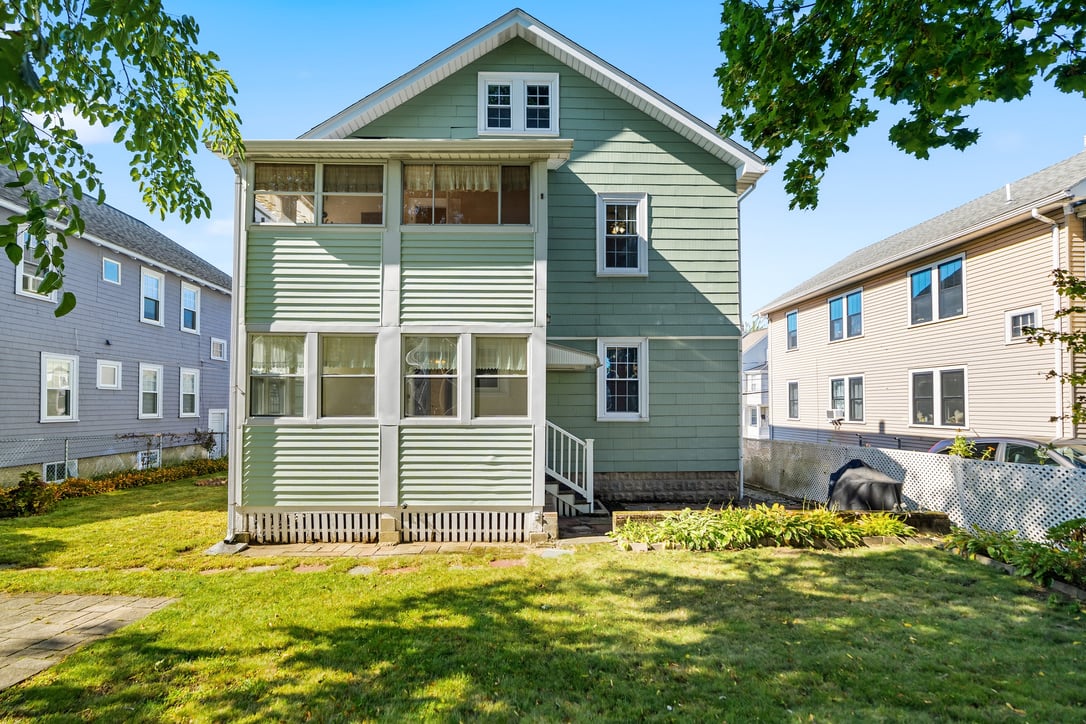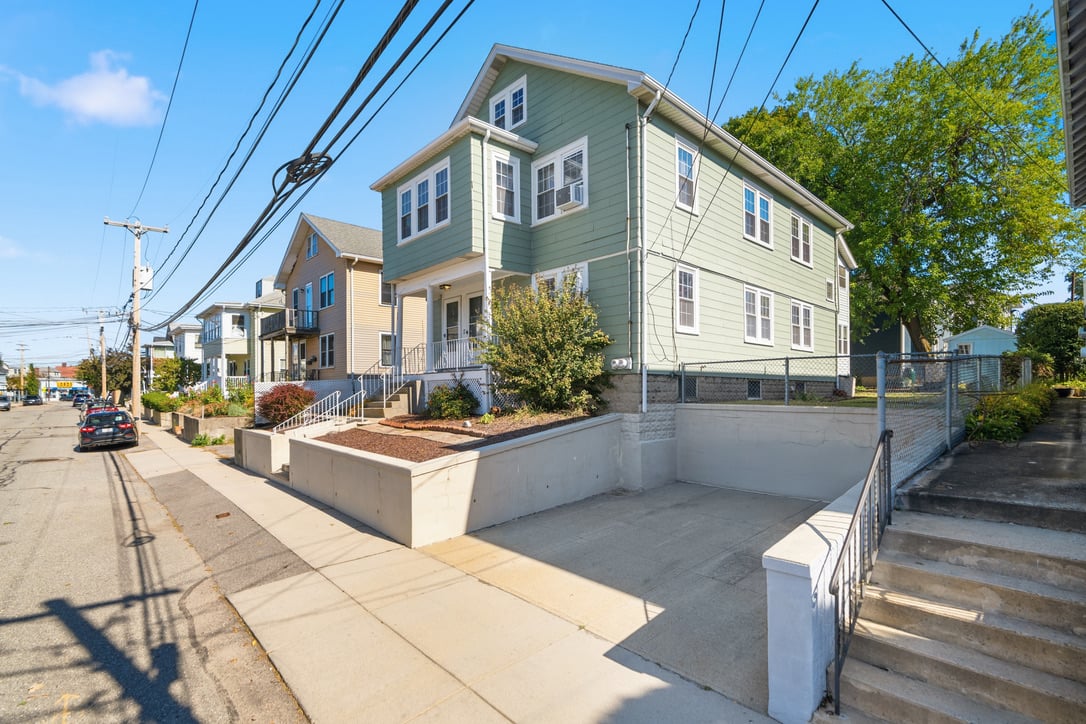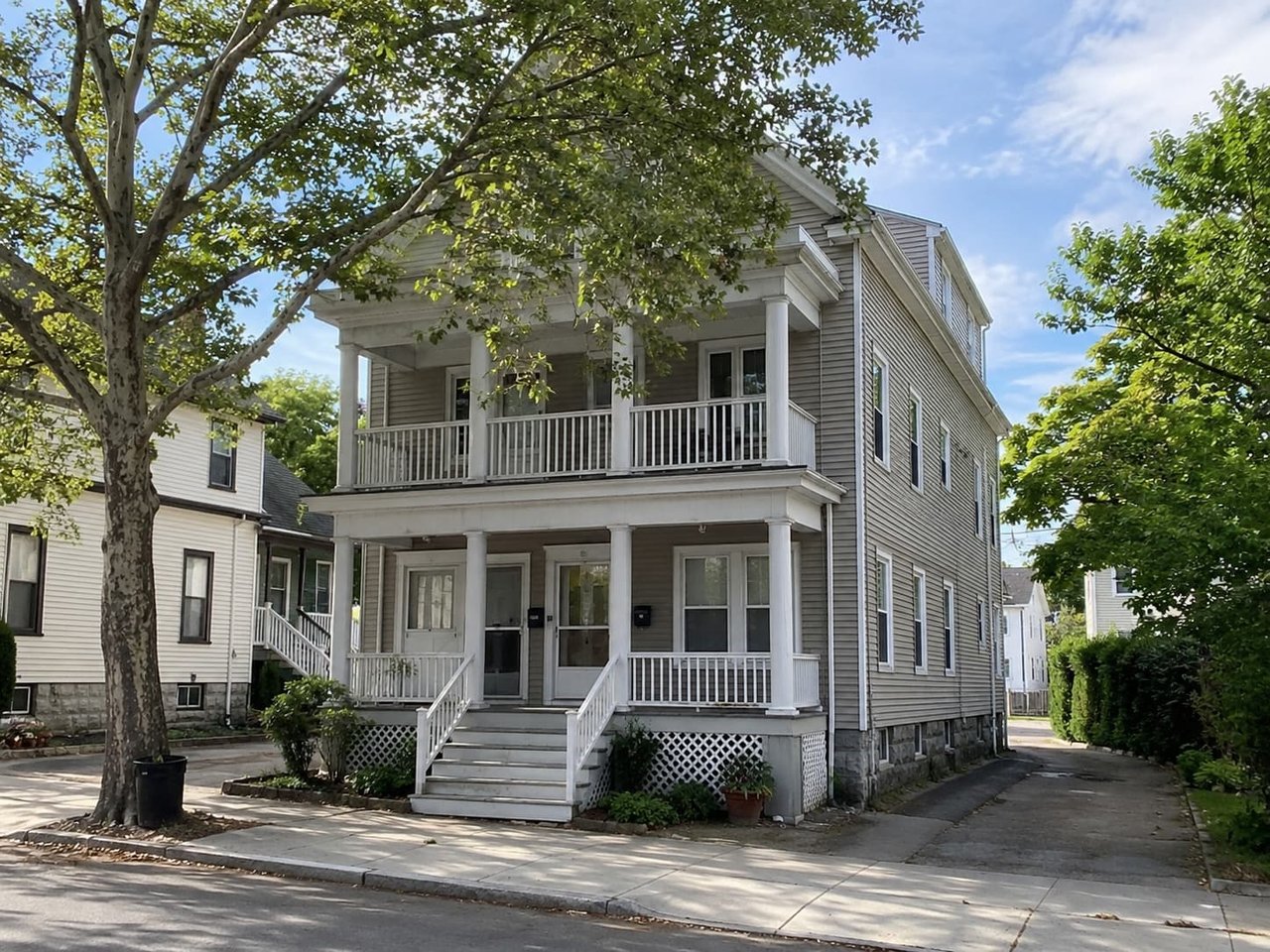
Waltham is one of the few Greater Boston cities where a normal buyer can still purchase a two to four unit building, live in one unit, and let the tenants carry most of the mortgage. This guide covers why Waltham works for multifamily investing, how house hacking actually functions here, how I run the numbers before a client writes an offer, and what Massachusetts requires once you own the building.
Is Waltham a good city to buy a multifamily property?
Yes, Waltham is one of the strongest small multifamily markets in the inner Boston suburbs because it pairs steady rental demand with a deep stock of older two and three family homes. Two universities, Brandeis and Bentley, sit inside the city, and the Fitchburg commuter rail line runs straight into North Station with stops at Waltham station and Brandeis/Roberts. That combination keeps a constant base of student and young professional renters looking for units.
On top of the rental demand, Waltham has real job density. The office and lab corridor along Route 128 and Route 95 employs thousands of people who want to live close to work without paying Cambridge or Newton prices. Moody Street gives the city a genuine downtown with restaurants and walkability, which matters more to renters every year. When you put demand drivers like that next to a housing stock full of triple deckers and two families built a century ago, you get a market where small multifamily holds value and rents stay occupied.
What is house hacking and how does it work in Waltham?
House hacking means buying a small multifamily, living in one unit as your primary residence, and renting the other units so the rental income covers most or all of your housing cost. It is the most accessible way to start investing in Greater Boston real estate because it uses owner occupied financing rather than tougher investment loans.
The financing is the real advantage. A property of two to four units that you live in qualifies for residential loans, which can mean a much smaller down payment than an investor would face on the same building. FHA financing covers owner occupied properties of one to four units, so a three or four family you actually live in can qualify with a low down payment, and lenders will count a share of the projected rent from the other units toward the income you need to qualify. Be realistic about the outcome: in Waltham you usually will not live completely for free, but a well bought two or three family can cut your monthly housing cost to a fraction of what a comparable single family or condo would run, while a tenant base pays down your loan.
The moment you rent a unit you become a Massachusetts landlord, and that carries real obligations. The state security deposit law is among the strictest in the country, the lead paint law applies to almost every older building, and the 2025 broker fee law changed who pays the rental broker fee. None of this is a reason to avoid house hacking. It is a reason to go in knowing the rules.
How do you run the numbers on a Waltham two to four unit?
You run the numbers by building a real rent roll, subtracting honest operating expenses to get net operating income, then comparing that figure to the purchase price as a capitalization rate and stress testing the financing. A gross rent multiplier is a fast first screen, but the cap rate is what tells you whether the deal actually works once the building is paid for and maintained.
The most common mistake I see is buying on the seller's projected rents instead of in place rents and true market rents. The second is underestimating expenses. On a Waltham multifamily you have property taxes, water and sewer, insurance, a maintenance reserve, and a vacancy allowance, and the older buildings carry capital items that bite: a roof near the end of its life, knob and tube wiring, an aging heating system, and lead paint that has to be addressed if a young child moves in. A 1900s three family with deferred maintenance can erase a year of cash flow with a single project.
Set your expectations correctly on yield, too. Inner suburb Boston multifamily trades at compressed cap rates because so many buyers compete for it, which means you are usually buying loan paydown, long horizon appreciation, and the option to improve or reposition the property, not a fat day one return. That is a fine reason to buy. It is a bad surprise to discover after closing.
What does Massachusetts require when you buy or sell a multifamily?
Massachusetts requires a smoke and carbon monoxide detector certificate at every residential sale, lead paint disclosure on any building constructed before 1978, and strict compliance with the security deposit statute the moment you start renting units. These are not optional and they trip up buyers who treat a multifamily like a simple house purchase.
Before closing, the local fire department inspects the property and issues the smoke and carbon monoxide certificate, and the older the building the more likely you will need to update detectors to pass. Waltham's housing stock is overwhelmingly pre 1978, so the lead paint law applies to almost every multifamily in the city, and a tenant with a child under six can trigger deleading obligations on the owner. The security deposit law deserves real attention: deposits must sit in a separate interest bearing account, you owe specific receipts and a statement of condition, and getting the mechanics wrong exposes you to multiple damages. Deeds for Waltham record at the Middlesex South Registry of Deeds in Cambridge, and if any unit is a condominium the seller must deliver a 6D certificate showing the association dues are current. This is exactly the kind of process detail where working with someone who closes these deals locally saves you from an expensive education.
How does 3A zoning change what a Waltham lot is worth?
Section 3A of the MBTA Communities Act requires Waltham to zone for multifamily housing by right near transit, which can make a given lot worth far more to a developer than its value as the single building standing on it today. The overlay districts allow more units by right than the older zoning permitted, and that hidden capacity is where a lot of value now sits.
For an investor, the lesson is that a Waltham lot's value is increasingly about what you can build, not only what is there now. A tired two family on a parcel that falls inside a Waltham 3A overlay district may carry development upside that an ordinary buyer never sees, because they are pricing the existing structure while a developer is pricing the buildable units. Knowing which parcels sit inside the overlay, and what the dimensional rules actually allow, is where a broker who tracks the maps earns the fee. You can read the full breakdown on the MBTA 3A zoning hub. For the broader local market case, see the Waltham community page.
Frequently Asked Questions
How much do you need to put down to house hack a multifamily in Waltham?
Owner occupied financing on a two to four unit can require far less down than an investment loan, sometimes only a few percent on an FHA loan, because you are living in the building rather than holding it purely as an investment.
Can you use FHA financing on a four unit in Massachusetts?
Yes, FHA loans cover owner occupied properties of one to four units, so a four family you live in can qualify, subject to the local FHA loan limit and a self sufficiency test that larger buildings have to pass.
Is Waltham still affordable for a first time multifamily buyer?
Waltham is more attainable for small multifamily than Cambridge, Somerville, or Newton, though prices have climbed across the board, which is why running real numbers and buying right matters more now than it did a few years ago.
Do you need a commercial loan for a multifamily in Waltham?
No, properties of two to four units use residential financing, while buildings of five units and up cross into commercial lending with different terms, underwriting, and down payment expectations.
What is the biggest mistake new multifamily buyers make in Waltham?
The biggest mistake is buying on the seller's projected rents while ignoring deferred maintenance on an older building, which turns a deal that looked like cash flow into a money pit within the first year.
Does 3A zoning let me add units to my Waltham property?
Possibly, depending on whether your lot sits inside a 3A overlay district and meets the dimensional rules, which is worth checking before you assume your parcel is capped at its current use.
Thinking about a Waltham multifamily?
If you are looking at a two to four unit in Waltham, or you want to know whether your lot sits in a 3A overlay that could change its value, I work these deals every week across Waltham and the inner Boston suburbs. Reach out at [email protected], call (617) 393 3458, or text (781) 879 0863, and we can build a real rent roll and run the numbers on a specific property before you write an offer.