Buying a condo in Cambridge MA is one of the hardest real estate transactions to do well in Greater Boston. Demand outpaces supply almost every month of the year, inventory turns over fast, and the condo document side of due diligence has genuine teeth. First time buyers who go in without a clear strategy tend to lose offers, overpay when they do win, or buy into buildings that cause headaches for years. This post walks through what you actually need to know before you start shopping for a condo in Cambridge.
Who the Cambridge Condo Market Is Built For
The Cambridge condo market is shaped by a few specific buyer profiles. The largest group is professionals working in Kendall Square, Harvard Square, and the Longwood medical area who want to shorten their commute and lock in housing costs. The second group is graduate students, postdocs, and early career biotech hires who are planning to stay in the region for five or more years and want to stop paying rent. The third is investors and parents buying for students, though this segment has thinned as prices have climbed.
If you fit the first or second profile, the market makes sense for you. The commute value alone justifies the premium for most buyers who work in Cambridge or Boston proper. The biggest mistake I see is buyers who are not sure they will stay five years still trying to buy in Cambridge because the market feels exciting. At current price points, you need time in the asset to come out ahead after closing costs, broker fees, and the inevitable special assessment or two along the way.
What You Are Actually Buying
Cambridge condo inventory falls into a few distinct categories, and understanding the differences matters because they price and behave differently.
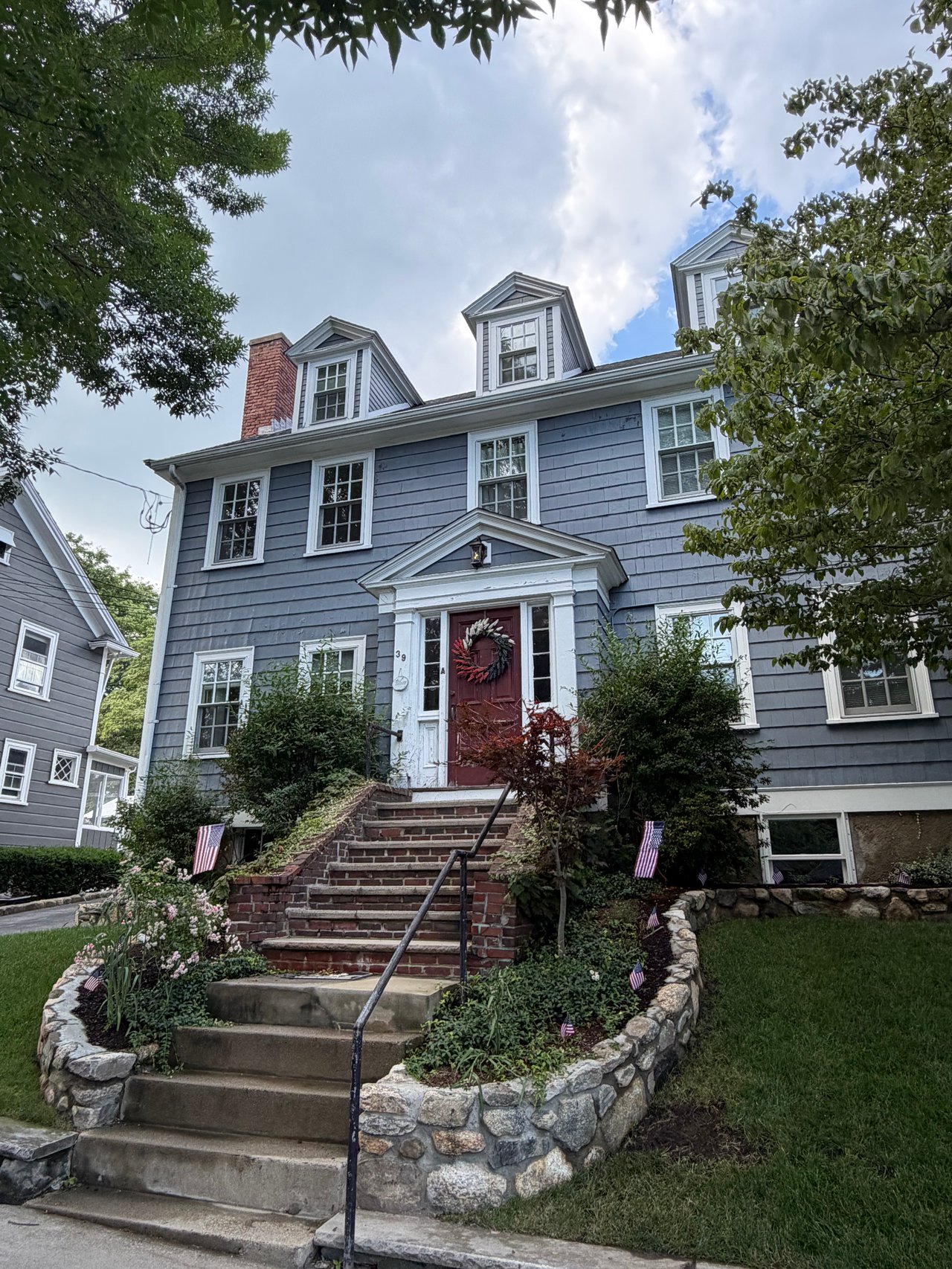
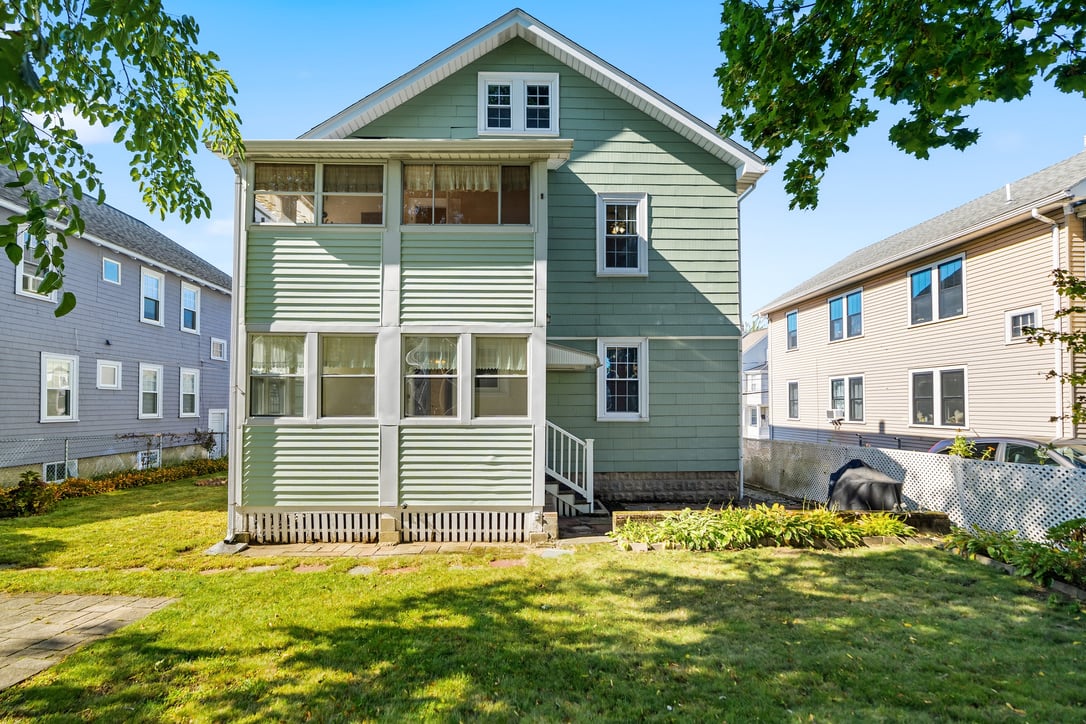
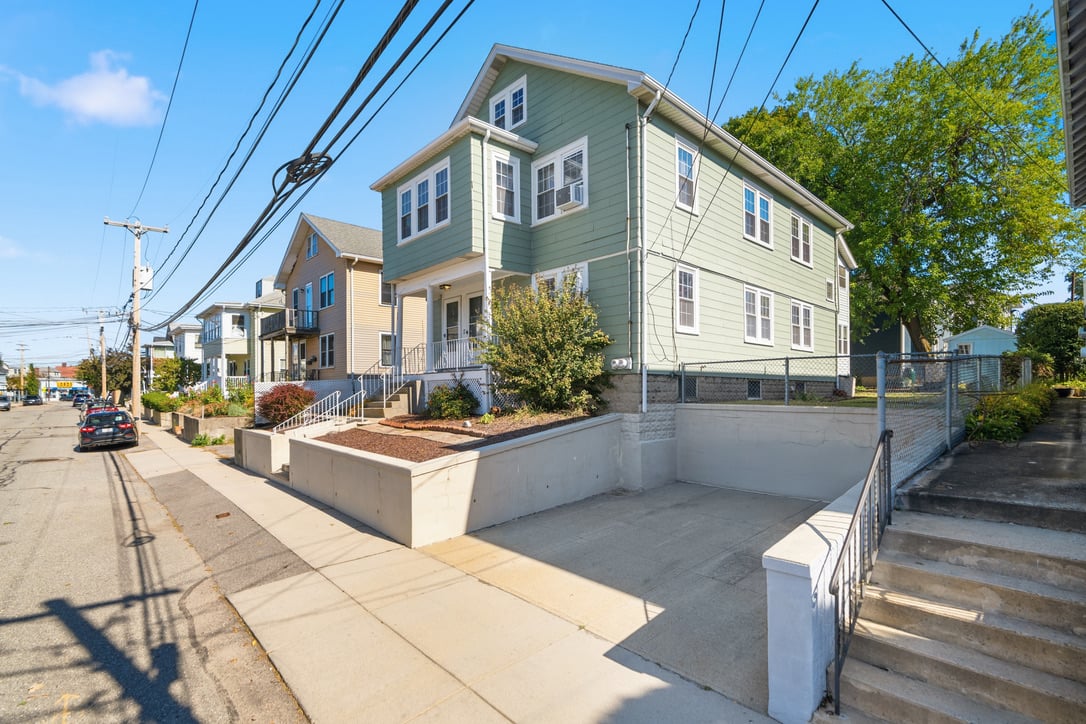
The most common type is the two family or three family conversion, where a classic Cambridge wood frame home was converted into individual units sometime in the past forty years. These buildings have small associations, lower monthly fees, and often self managed governance, which means the quality of the building depends heavily on the neighbors. The upside is more space per dollar and genuine residential character. The downside is that when something goes wrong with the roof, the foundation, or the boiler, there is no management company buffer. You and two or five other owners are going to be writing checks.
The second type is the mid size condo association, typically in the 20 to 80 unit range, often in brick buildings built mid century or in conversions of older institutional buildings. These have real associations with professional management, reserve studies, and more predictable monthly fees. The tradeoff is higher monthly costs and less control over decisions.
The third type is newer construction, mostly clustered near Kendall Square, along the river, and in specific pockets like Northpoint. These units are the most turnkey, have the highest amenities, and the highest prices per square foot. They also tend to have the highest condo fees because of those amenities.
How to Read a Cambridge Condo Document Package
Condo document review is the single most important part of a Cambridge condo purchase, and it is the step where first time buyers most often cut corners. The document package will include the master deed, the declaration of trust or bylaws, the condo budget, the most recent meeting minutes, and ideally a reserve study.
The master deed tells you what you actually own versus what is common area. Pay attention to parking space and storage assignments, which are sometimes deeded to the unit and sometimes licensed year to year. Exclusive use areas like decks and yards should be explicitly identified.
The budget and meeting minutes are where you find out whether the association is healthy. Look at the reserve fund balance relative to the size of the building, and read the last two years of minutes for any mention of roof replacement, facade work, elevator upgrades, or pending litigation. A well run association discusses these items openly and plans for them. A poorly run one lets them become emergencies, which become special assessments, which come out of your pocket.
If the association does not have a reserve study, that is a yellow flag on smaller buildings and a red flag on anything over 30 units. Professional associations should have one and should be updating it every three to five years.
What a Competitive Offer Looks Like
Cambridge is an offer deadline market for desirable units. Listings go live Thursday, hold a weekend open house, and review offers Monday or Tuesday. If you show up expecting to negotiate over a two week period after seeing the unit at your leisure, you are going to lose.
A competitive Cambridge offer typically includes a strong pre approval letter, proof of funds for your down payment, a financing contingency period of 14 days or shorter, an inspection contingency for information only rather than a negotiation lever, and a closing timeline that matches what the seller wants. Escalation clauses are common but should be used thoughtfully, not as a reflex. Personal letters have fallen out of favor for fair housing reasons and many listing agents will not forward them.
Price strategy depends on the listing. Some Cambridge listings are priced aggressively low to generate competition and will trade well above ask. Others are priced at market and will sell close to list. Your agent should be pulling comparable sales from the past 90 days and walking you through how similar units traded relative to their list price before you submit an offer.
Neighborhood Dynamics That Affect Pricing
Cambridge is not one market. Harvard Square, Inman Square, Central Square, Kendall Square, Porter Square, and the residential pockets in between all trade differently. Harvard Square and Kendall tend to command the highest prices per square foot because of proximity to their respective anchor institutions. Inman and Porter offer slightly better value with walkable commercial districts and strong residential character. The stretch along the Red Line between Central and Harvard includes some of the strongest investment and owner occupant value in the city.
North Cambridge near the Alewife T stop trades at a meaningful discount relative to the rest of the city, which makes it attractive for buyers who prioritize Red Line access over walkable commercial amenities. East Cambridge and the Northpoint area are a different product entirely, dominated by newer construction and trading more like the Seaport than traditional Cambridge.
Frequently Asked Questions
How much do you need to buy a condo in Cambridge MA?
Most lenders will require a down payment of 10 to 20 percent of the purchase price for a condo in Cambridge, along with closing costs that typically run 2 to 3 percent of the purchase price. Buyers should also budget for reserves equal to several months of housing costs, which many lenders verify during underwriting.
Is buying a condo in Cambridge MA a good investment?
Cambridge condos have historically appreciated well relative to other Greater Boston markets due to sustained demand from Kendall Square employers, Harvard University, and MIT. The best investment outcomes tend to go to buyers who hold the asset for five or more years and who buy in smaller, well managed associations where fees stay predictable over time.
What are condo documents and why do they matter in Cambridge?
Condo documents include the master deed, bylaws or declaration of trust, current budget, meeting minutes, and ideally a reserve study for the association. These documents disclose the financial health of the building, any pending assessments or litigation, and the governance structure you will be subject to as an owner. Reviewing them carefully with your attorney is essential before removing contingencies.
How competitive is the Cambridge condo market?
Cambridge is one of the most competitive condo markets in Greater Boston. Well priced units in desirable buildings often receive multiple offers within days of listing, and many transactions close above list price. Buyers should be pre approved, have proof of funds ready, and work with an agent who can move quickly when the right unit comes available.
Which Cambridge neighborhoods are best for first time buyers?
Inman Square, Porter Square, and North Cambridge near Alewife tend to offer the best combination of price, transit access, and neighborhood quality for first time buyers. Harvard Square and Kendall Square command the highest premiums, while the residential stretches between them along the Red Line corridor offer a middle ground. You can compare the pockets on our Cambridge neighborhood guide.
What are condo fees like in Cambridge MA?
Condo fees in Cambridge vary widely based on building type. Small two or three family conversions often have fees under 300 dollars per month, while mid size associations typically charge 400 to 700 dollars, and newer construction buildings with amenities can run well above that. Lower fees are not always better, since they sometimes indicate an association that is underfunding its reserves.
Ready to start your Cambridge condo search?
If you are starting a condo search in Cambridge and want a clear read on which buildings are worth pursuing, which comps matter, and how to structure an offer that actually wins, reach out to PH Realty Group. We work this market closely and can help you move from browsing listings to closing on the right unit. Reach out at [email protected], call (617) 393 3458, or text (781) 879 0863.